
If you live in Queens or are visiting New York City and hunting for a restorative bodywork experience, the phrase thai massage queens will bring up a mix of traditional practitioners, modern spas, and neighborhood gems. This article walks you through what Thai massage is, how it differs from other treatments, where to find reputable places in Queens, and how to prepare so your session is both safe and effective.
Queens is one of the most culturally diverse boroughs in the United States, and that diversity shows in its approach to wellness. Whether you want a therapeutic deep-tissue session, a gentle stretching-focused treatment, or an hour of rhythmic pressure and breath work, there are options for every preference and budget. Read on for a step-by-step guide to navigating thai massage queens.
What Thai Massage Is — The Essentials
Thai massage is a hands-on therapy that blends acupressure, assisted yoga stretches, rhythmic compressions, and gentle joint mobilizations. Unlike many Western massages, Thai massage is typically performed on a mat on the floor with the client clothed in loose garments. The therapist uses palms, thumbs, elbows, knees, and feet to apply pressure and guide movement.
The goal of Thai massage is to free restricted energy lines, improve flexibility, and restore muscular balance. Sessions often feel like a combination of stretching, yoga, and pressure-point therapy. Understanding these elements will help you choose the right style when searching for thai massage queens.
History and Origins: Why It Matters
Traditional Thai massage traces back over a thousand years and weaves together Indian Ayurvedic principles, Chinese medicine, and Southeast Asian healing practices. Historically practiced in temples and royal courts, it was transmitted from teacher to student through careful hands-on training that emphasized both technique and intent.
In modern settings the lineage still matters. Practitioners who train in traditional schools often emphasize whole-body assessment, breath coordination, and sequence, while commercial spas might focus more on muscle release and relaxation. Knowing a bit about that history helps you recognize the difference between a deeply rooted thai massage queens experience and a more generic bodywork session.
The Thai Massage Scene in Queens
Queens hosts a wide range of providers offering thai massage queens services: small family-run clinics, independent therapists who rent space, boutique wellness studios, and larger spas. Neighborhoods such as Flushing, Elmhurst, Jackson Heights, and Forest Hills each bring distinct vibes and different levels of formality.
Many local therapists are bilingual and bring authentic training from Thailand or from respected Western Thai massage schools. When you search for thai massage queens, look for places that list training credentials, years of experience, and clear service menus. Word-of-mouth and local community groups also offer reliable leads, especially in culturally tight-knit neighborhoods.
How to Choose a Thai Massage Parlor in Queens
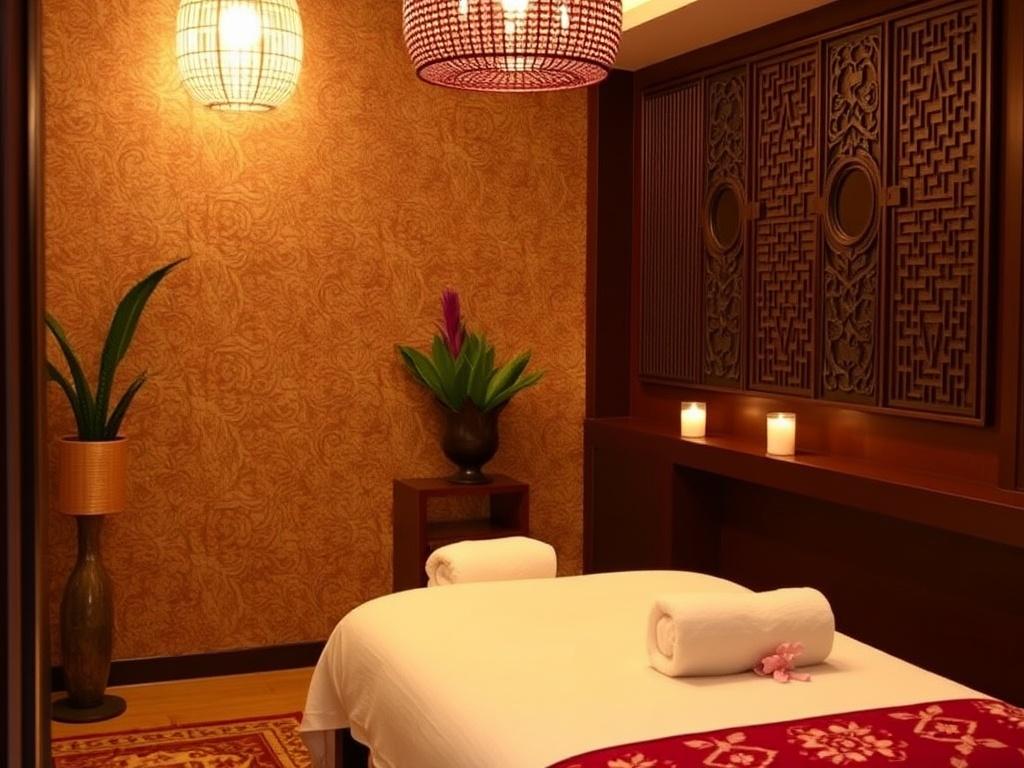
Choosing the right establishment involves more than picking the prettiest storefront. Start by checking credentials, reviews, and the clarity of the service menu. Does the shop specify whether sessions are traditional Thai, Thai oil massage, or a fusion? Are time lengths and prices listed? Transparency is a good sign.
Next, consider comfort and communication. A good thai massage queens practitioner will ask about medical history and pain points before work begins. If they don’t, that’s a red flag. Finally, shop by atmosphere and accessibility—some people prefer a quiet, private room; others enjoy the energetic feel of a communal mat space.
- Verify training and certifications where possible.
- Read recent customer reviews and ask locals for recommendations.
- Confirm hygiene, privacy, and payment policies in advance.
What to Expect: A Step-by-Step Experience
When you book a thai massage queens session, the structure is usually consistent. Sessions commonly begin with a brief intake to review your health history, current aches, and the goals for the treatment. This conversation sets the tone and helps the therapist choose appropriate techniques and intensity.
After intake, you may be guided to remove shoes and lie on a padded mat or low table while staying fully clothed in loose-fitting attire. The therapist then moves through a planned sequence of warm-ups, assisted stretches, pressure along energy lines, and joint mobilizations. Communication about pressure and comfort should be ongoing.
- Arrival and intake: discuss goals and medical history.
- Positioning and clothing: comfortable, loose garments recommended.
- Warm-up: gentle rocking and compressions to prepare muscles.
- Main sequence: assisted stretches and pressure work, focusing on problem areas.
- Cool-down: light compression and breathing to settle the body.
- Post-session advice: hydration and aftercare suggestions.
Benefits and Who Should Try It
Thai massage can increase flexibility, improve circulation, relieve muscular tension, and promote relaxation. People recovering from repetitive strain or those with chronic tightness often find meaningful relief, and athletes sometimes use Thai massage as part of their recovery regimen because of the active stretch component.
Not everyone is a candidate for aggressive techniques. If you have uncontrolled high blood pressure, recent fractures, deep vein thrombosis, or specific inflammatory conditions, consult a healthcare provider before booking. A well-trained thai massage queens practitioner will screen for these issues and modify the session accordingly.
Etiquette and Safety Tips
Respectful communication and simple etiquette make every session smoother. Arrive on time, wear comfortable clothing, and be prepared to share relevant medical history. If you prefer silence or music, mention that during intake. Thai massage is a close-contact practice—clear boundaries and consent are essential.
Keep in mind a few practical safety tips: hydrate before and after your session, avoid a heavy meal right before treatment, and speak up if a stretch or pressure feels painful rather than therapeutic. If post-session soreness appears, apply gentle movement and heat rather than immobilization. Responsible thai massage queens providers will offer aftercare recommendations tailored to your session.
- Communicate medical history and pain thresholds clearly.
- Arrive hydrated and dress in flexible clothing.
- Ask about modifications for pregnancy, injuries, or surgeries.
Pricing and Typical Services: A Quick Comparison
Pricing for thai massage queens varies widely based on location, experience level, and whether the setting is a private clinic or a spa. Hourly rates are common, and many places offer packages for recurring visits. Below is a simple table to orient you to typical offerings and price ranges you might encounter in Queens.
Remember that lower cost doesn’t always mean lower quality, but unusually low prices should prompt questions about training, sanitation, and transparency.
| Service Type | Typical Duration | Average Price (Queens) | What to Expect |
|---|---|---|---|
| Traditional Thai (Mat) | 60–120 minutes | $60–$120 | Full-body assisted stretches and pressure, clothed. |
| Thai Oil Massage | 60–90 minutes | $70–$140 | Oil-based, more focus on muscles and relaxation. |
| Sport/Medical Thai | 45–90 minutes | $80–$150 | Targeted therapy for injuries and athletic recovery. |
| Short Session / Focused Areas | 30–45 minutes | $40–$70 | Neck, shoulders, or lower back focus. |
Certifications, Licensing, and Quality Markers
While massage licensing varies by state and locality, the best thai massage queens providers list their formal training and ongoing education. Look for certifications from recognized Thai massage schools or established continuing education providers. Some therapists combine Thai training with Western medical or physiotherapy credentials.
Other quality markers include membership in professional associations, clear sanitation procedures, liability insurance, and positive client testimonials. Don’t hesitate to ask a practitioner about how often they receive training refreshers or mentorship—this matters for complex techniques and injury-sensitive work.
Frequently Asked Questions
People searching for thai massage queens often ask practical, straightforward questions about safety, preparation, and what makes a good session. Below are concise answers to common concerns to help you feel prepared and confident when booking.
These FAQs are meant to reduce friction so you can focus on the benefits of the work rather than worry about the logistics.
- Will Thai massage be painful? It can include strong pressure and deep stretches, but it should not cause sharp pain. Communicate with your therapist.
- Do I need to undress? Typically no; Thai massage is usually performed clothed. For oil sessions, modest undressing and draping may be involved.
- How often should I receive Thai massage? Frequency depends on goals; weekly or biweekly for chronic issues, or monthly for general maintenance, are common starting points.
Conclusion

Searching for thai massage queens brings you into a rich landscape of tradition and modern care—choose practitioners who communicate clearly, show evidence of training, and create a safe, respectful environment; that combination will give you the best chance of a healing, effective session.