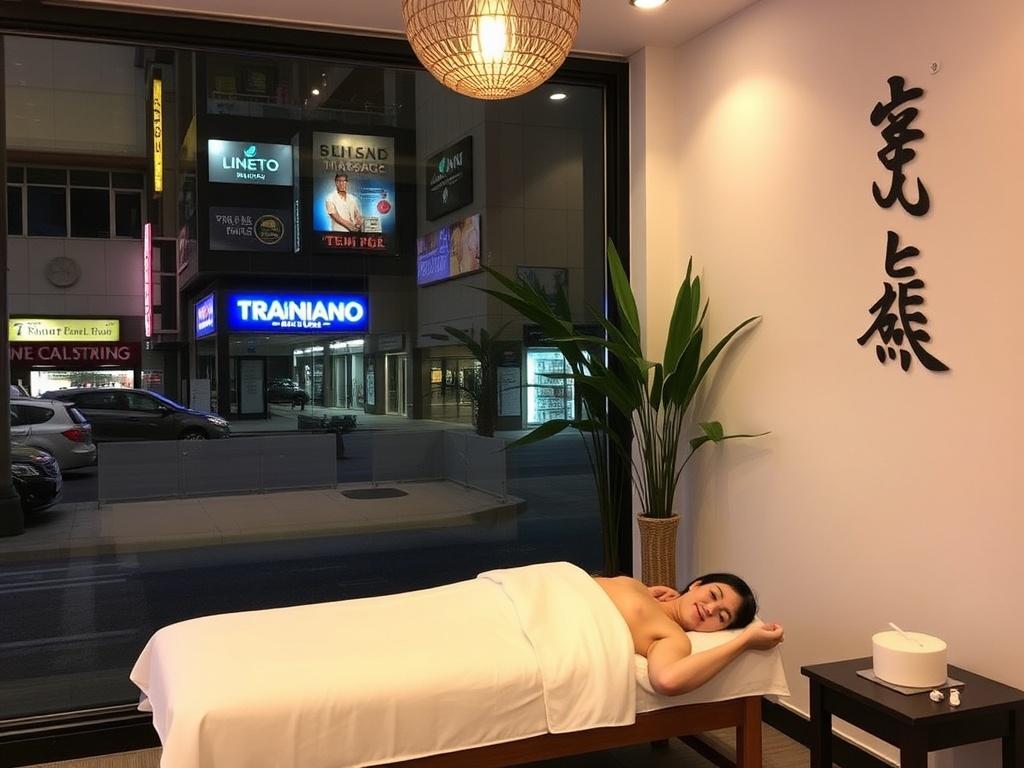

Finding a local sanctuary for thai massage downtown can be the smartest way to reclaim your energy between meetings, after a long commute, or on a weekend when the city feels particularly loud. This article walks you through everything: what thai massage downtown typically looks like, how sessions run, how to choose a place, and what to expect before, during, and after your visit.
We’ll move in clear steps so you can make a confident choice. Whether you want a gentle restorative session or a firmer, therapeutic visit, this guide aims to make thai massage downtown approachable, practical, and calmly informative.
What Is Thai Massage and Why It’s Popular Downtown
Thai massage is a traditional healing system that blends acupressure, assisted yoga-like stretches, and rhythmic compression along energy lines. It’s usually done fully clothed on a mat or on a massage table, and practitioners use hands, forearms, elbows, knees, and feet. In busy city centers, thai massage downtown appeals because sessions often focus on tension patterns common to office workers and commuters: neck, shoulders, hips and lower back.
Downtown clinics and studios often adapt the traditional format to urban lifestyles: shorter sessions for lunch breaks, extended therapeutic sessions for chronic issues, and specialized versions—such as thai foot massage or oil-based hybrid treatments. These practical variations are why people choose thai massage downtown repeatedly; it fits a city pace while delivering tangible relief.
History and Principles Behind the Method
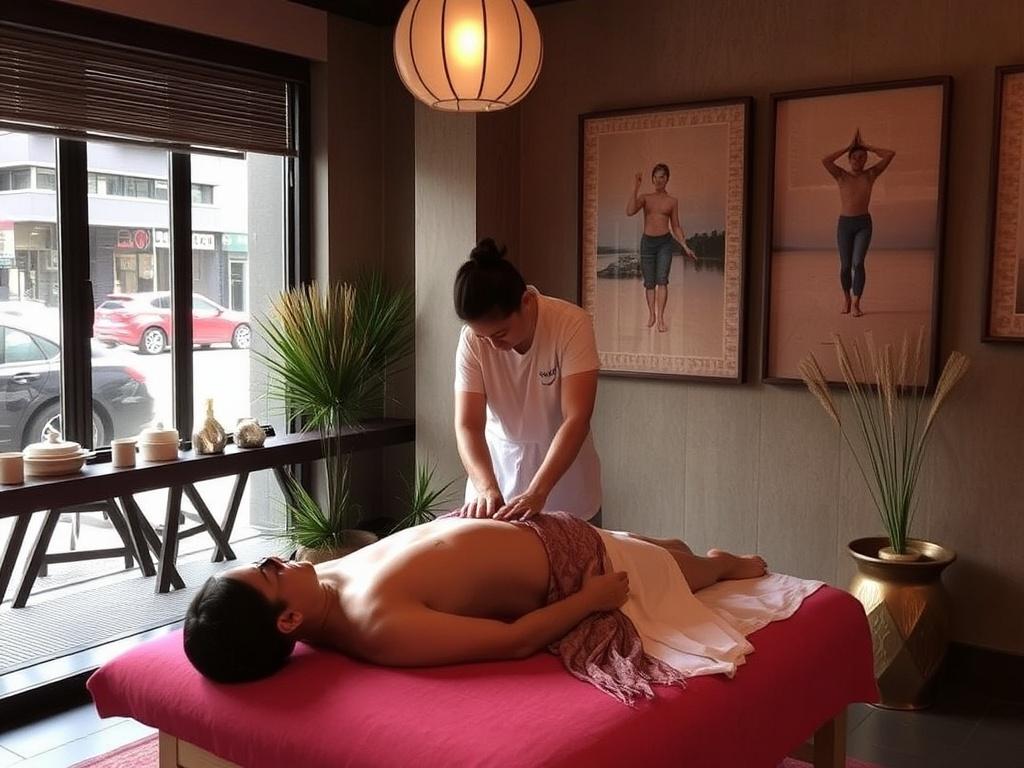
Thai massage has roots in Ayurvedic and Southeast Asian healing traditions, often traced to itinerant healers and monastic practitioners. The technique revolves around «sen» lines—channels similar to meridians—and an intention to balance energy while improving flexibility and circulation. Downtown studios frequently emphasize these traditional principles alongside modern anatomy.
Practitioners blend mindful touch with body mechanics. The intent is therapeutic rather than merely indulgent. When you book thai massage downtown you’re usually getting a blend of tradition and pragmatic urban therapy: durable techniques adapted for contemporary bodies and lifestyles.
Benefits of Thai Massage Downtown
People seek thai massage downtown for a mix of physical and mental benefits. Physically, it improves range of motion, reduces muscular tension, and can accelerate recovery from overuse injuries. Mentally, the measured rhythm and guided stretching tend to reduce stress and foster a calmer state of mind—valuable in a crowded downtown environment.
Because downtown practitioners see many clients with desk-induced strain, they often target posture, neck stiffness, and hip tightness. Regular visits can translate into better posture at work, fewer headaches, and improved sleep patterns—small but meaningful quality-of-life gains for city dwellers.
How to Choose the Right Thai Massage Downtown Studio
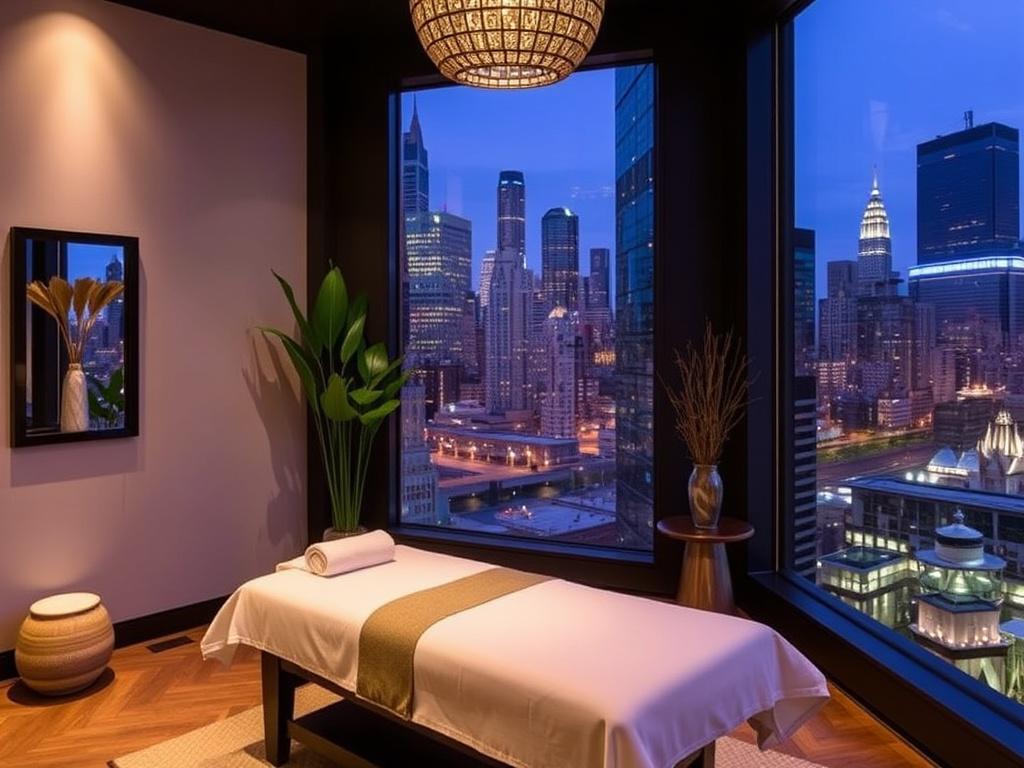
Choosing a downtown studio requires a mix of practical checks and personal preference. First, consider location and hours: proximity matters when you’re planning a short midday session or need to fit a treatment around a work schedule. Many thai massage downtown spots advertise extended evening hours to accommodate commuters.
Next, evaluate qualifications and specialties. Some therapists focus on traditional Thai mat work, others on Thai oil massage, and a few combine shiatsu or sports massage techniques. Read practitioner bios, check reviews, and look for clear descriptions of what’s included in a typical thai massage downtown session.
Questions to Ask Before You Book
Before you commit, ask targeted questions that reveal the studio’s approach and suitability for your needs. Policies on intake forms, contraindications, and therapist experience are important. A professional studio will also explain sanitary practices and booking policies clearly.
These questions help you avoid surprises and ensure your thai massage downtown experience suits your comfort level and health needs.
- Do you offer traditional Thai mat or table sessions?
- How long are typical downtown session options (30, 60, 90 minutes)?
- What is your cancellation policy?
- Are practitioners licensed or certified in Thai massage?
- Do you accommodate injuries or post-op restrictions?
Step-by-Step: What to Expect During a Session
Arrive a little early so you can check in and fill out any intake form. Downtown studios often run on tight schedules, so punctuality respects both you and the next client. Most places will ask about areas of pain, relevant medical history, and your pressure preference—light, medium, or firm.
The session usually begins with simple breathing and gentle mobilization. Practitioners guide you through a series of passive stretches and compressions, moving slowly and mindfully to release tightness. In many thai massage downtown studios, therapists will also combine palming, thumb pressure, and rocking movements to mobilize joints and open tissue layers.
During the Treatment
Expect to wear loose, comfortable clothing provided by the studio or bring your own. If the treatment is on a mat, you’ll be on the floor; table sessions feel more like a typical Western massage. Communication is key—let the therapist know if a stretch feels too intense or if you want them to spend more time on a particular area.
Downtown therapists often emphasize functional outcomes: improved sitting posture, reduced neck strain, and loosened hip flexors. A session can be invigorating or deeply relaxing depending on your therapist’s technique and your chosen pressure.
Aftercare and Follow-Up
After the session, take a few minutes to rehydrate and move gently. You might feel pleasantly tired or energized. Practitioners often give short, specific recommendations—home stretches, posture tips, or a suggested follow-up interval. If you booked thai massage downtown for a specific complaint, note whether the therapist recommends multiple sessions or cross-referral to a physical therapist.
Keeping a short log of what felt better or worse after each session helps you and your therapist tailor future visits. Many downtown studios also offer package deals if you’re aiming for regular maintenance.
Pricing, Packages, and What’s Included
Prices vary by city and the therapist’s experience. Downtown locations usually cost more because of rent and convenience. Expect shorter, budget-friendly options (30–45 minutes) for quick fixes and longer options (60–120 minutes) for deeper work. Packages can lower the per-session cost if you plan regular visits.
Typical inclusions are the session itself, a short intake, and sometimes complimentary tea. Some downtown studios add value with guided home routines or email follow-ups. Always check whether taxes and gratuities are included in the listed price when you book thai massage downtown.
| Session Type | Typical Duration | Best For |
|---|---|---|
| Traditional Thai (mat) | 60–120 minutes | Full-body flexibility and joint mobility |
| Thai oil or fusion (table) | 60–90 minutes | Relaxation + targeted muscle work |
| Thai foot massage | 30–45 minutes | Relief for feet and lower legs; quick downtown breaks |
Etiquette and Practical Tips for Downtown Visits
Show up clean and on time. If you have tattoos, piercings, or skin sensitivities mention them ahead of time. Many studios require their own clothing or will supply loose cotton garments. Fight the impulse to over-share; say what’s relevant and allow the therapist to guide the session.
Because downtown spaces can be compact, be mindful of noise on arrival and departure. Turn your phone to silent and, if you plan to tip in cash, have small bills ready. These small details make your thai massage downtown smoother for both you and the staff.
Health and Safety Considerations
Tell your therapist about circulation issues, recent surgeries, pregnancy, or chronic conditions. Some pressured stretches and deep compressions are contraindicated for specific medical conditions. A reputable downtown studio will refuse or modify treatment if they think it risks harm.
If you’re unsure whether thai massage downtown is appropriate for you, consult your physician first—especially if you have cardiovascular issues, thrombosis risk, or recent fractures.
Common Techniques Explained
Thai massage uses several recognizable techniques: rocking to relax, rhythmic pressing along sen lines, and passive yoga-like stretches. Rocking eases the nervous system; pressing works localized triggers; and stretches improve joint range of motion. These techniques together create a session that both releases and stabilizes the body.
Therapists adjust the balance of techniques based on your complaints. Downtown sessions often emphasize neck-and-shoulder pressing for desk workers, or hamstring and hip openings for people who sit long hours. That specificity is one reason thai massage downtown can feel directly useful.
Techniques at a Glance
The following list highlights techs you’ll most frequently encounter in a downtown studio. They’re straightforward, and most therapists will explain them as they go.
- Palming and thumb pressure along muscle bands
- Passive assisted stretches (legs, arms, spine)
- Elbow and knee pressure for deeper release
- Rhythmic rocking to soothe the nervous system
Who Should Avoid or Modify Thai Massage
Not everyone should receive full-pressure thai massage. People with deep vein thrombosis, uncontrolled high blood pressure, fever, contagious skin conditions, or recent major surgery should avoid it or consult a doctor first. Pregnant clients should seek therapists trained in prenatal modifications.
Downtown studios often list contraindications on their websites or intake forms and will modify sessions when necessary. If you have health concerns, be transparent on the intake form—this protects both you and the therapist and ensures your thai massage downtown is safe and effective.
Practical Checklist Before You Book
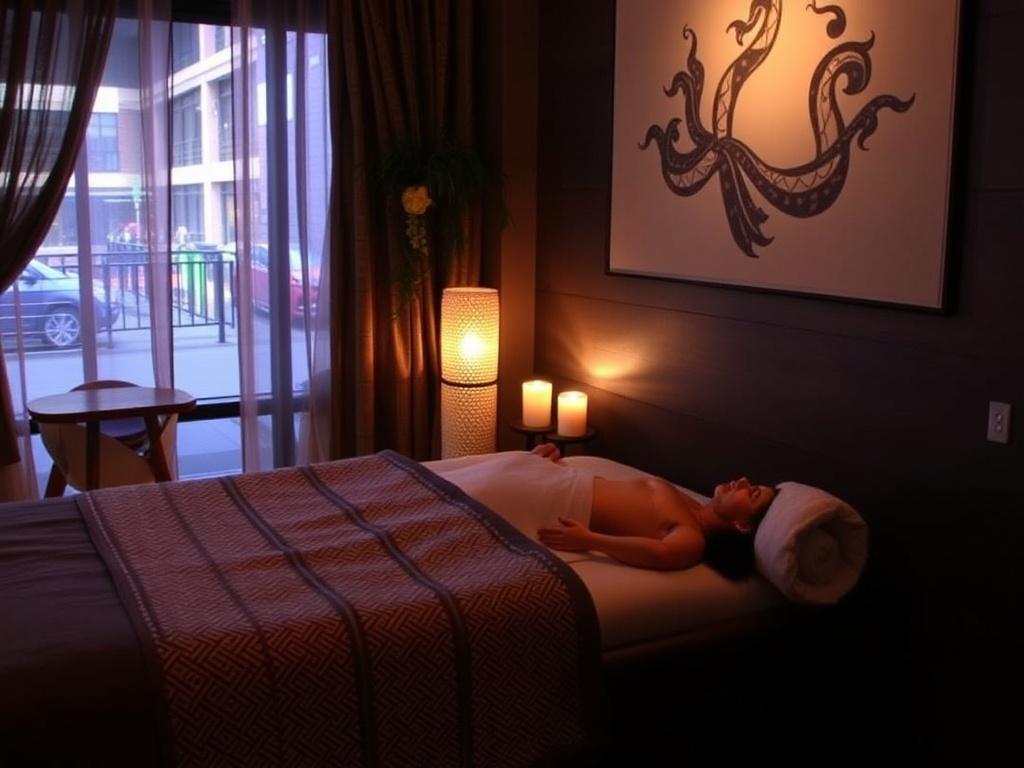
Use this quick checklist to prepare for a first visit. It helps narrow options and avoids surprises at the studio. The checklist is designed specifically with downtown realities in mind: time constraints, proximity, and what you might need immediately after a session.
- Confirm location, hours, and parking/public transit access.
- Read recent reviews and check practitioner bios.
- Decide session length based on available time and needs.
- Ask about clothing, sanitation, and cancellation policies.
- Bring a list of medications and medical history if relevant.
Final Practical Advice for Regulars
If you plan to make thai massage downtown a regular habit, communicate clear goals with your therapist. Regular visits are most effective when tracking progress and adjusting technique over time. Downtown studios often offer subscription or package options that save money and build consistency.
Keep realistic expectations. Thai massage is a tool—excellent for mobility, tension relief, and stress reduction—but it’s not a cure-all. Use it alongside sleep hygiene, ergonomic fixes, and appropriate exercise for lasting results.
Conclusion
Choosing thai massage downtown is about balancing tradition with urban practicality: find a studio that respects the technique, communicates clearly, and fits your schedule so you can use it as a reliable tool for better movement and calmer days.