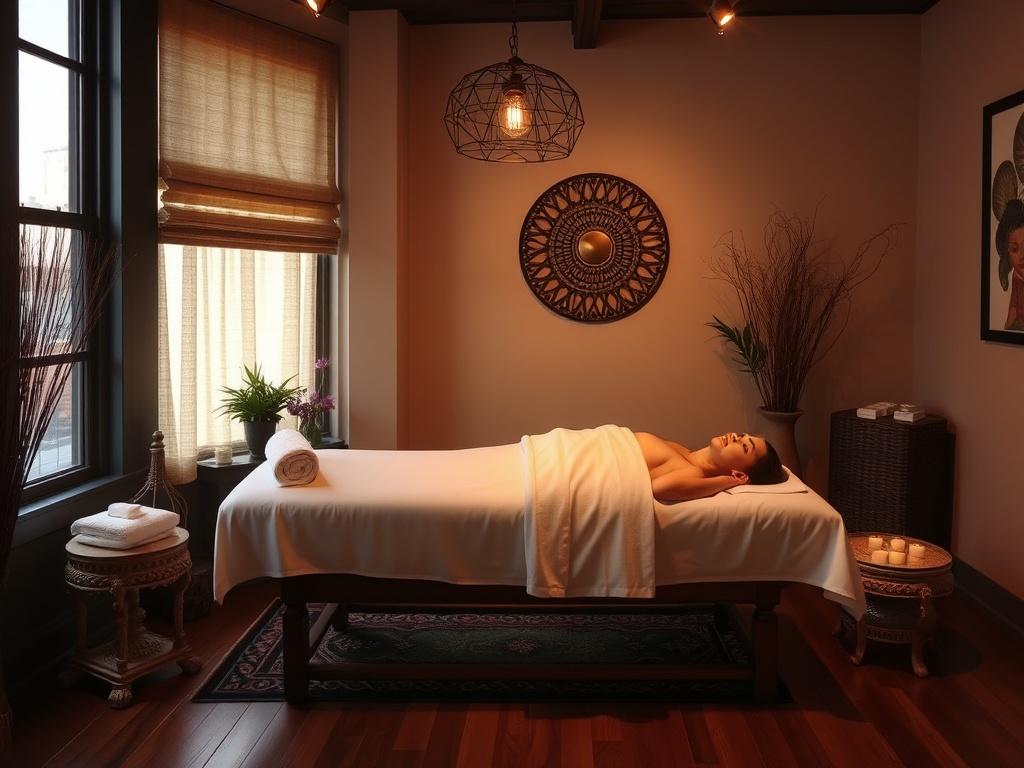

If you live in Brooklyn or plan to visit and you’re curious about thai massage brooklyn has plenty to offer. This guide walks you through what Thai massage is, how sessions typically unfold, how to choose a studio, safety considerations, costs, and aftercare—step by step and in plain language.
Beyond the mechanics, you’ll find practical tips for booking, what questions to ask, and how to recognize a skilled practitioner. Read on for a clear, usable map to the best thai massage brooklyn experiences.
What Is Thai Massage and How Does It Differ?
Thai massage, sometimes called Thai yoga massage, blends assisted stretching, joint mobilization, rhythmic compression, and pressure along energy lines called sen. Unlike a Western spa massage, many thai massage brooklyn sessions take place on a mat on the floor, with the client fully clothed in loose garments, and the practitioner using hands, thumbs, elbows, knees, and feet.
The focus is less on oil and long Swedish strokes and more on alignment, flexibility, and breath. Practitioners often move through a choreographed sequence that resembles assisted yoga, which produces both immediate relief and longer-term mobility gains when practiced regularly.
Brief History and Core Principles
Traditional Thai massage traces its roots to Ayurvedic and Buddhist healing traditions. Over centuries, techniques evolved into a system aimed at balancing the body’s energies, improving circulation, and freeing tight joints and muscles—principles that remain central to thai massage brooklyn studios today.
Core ideas include working along sen lines, synchronizing movement with breath, and using the practitioner’s body weight to achieve deep pressure without strain. Modern clinics in Brooklyn design sessions that honor these traditions while adapting to contemporary client needs.
Types of Thai Massage You’ll Find in Brooklyn
Not all Thai massage is the same. Studios in Brooklyn offer a spectrum, from strictly traditional sequences to hybrid treatments that combine Thai techniques with Swedish, deep tissue, or aromatherapy elements. Knowing the difference helps you choose what’s right for your body.
Below are common variants you’ll encounter and what they aim to address.
- Traditional Thai Massage — Full-body sequences on a mat, emphasis on energy lines and assisted stretching.
- Thai Oil Massage — Incorporates oils and longer strokes while retaining assisted stretches and pressure points.
- Thai Sports Massage — Focused on athletes; targets mobility, range of motion, and injury prevention with dynamic stretches.
- Thai Fusion or Spa-Style — Combines elements of Thai massage with Swedish, hot stones, or aromatherapy for a softer experience.
Traditional Thai Massage: What Makes It Distinct
Traditional Thai massage is characterized by its rhythmic, methodical flow. A practitioner guides you through a sequence that stretches and compresses muscle groups, often invoking yoga-like positions to open hips, shoulders, and the spine. Sessions can feel vigorous yet meditative.
In Brooklyn, many studios that advertise traditional work emphasize lineage and certification. If you seek authentic techniques, look for practitioners trained in Thailand or under reputable Thai teachers; authenticity affects both effectiveness and safety.
Hybrid Styles: Thai Yoga, Spa Blends, and Sports Work
Hybrid styles are popular in Brooklyn because they let clients customize intensity and focus. For example, a Thai oil session eases into deep pressure with lubricating oils, which some people prefer after a long flight or a day of walking the borough.
Sports-oriented Thai massage targets specific issues—ankle mobility, IT band tightness, or tennis elbow—with aggressive stretching and joint work. Ask your studio which hybrid approaches they offer and whether therapists specialize in sports or therapeutic care.
What to Expect During a Session — Step by Step
Knowing the sequence ahead of time makes the experience more comfortable. Below is a typical step-by-step outline of a thai massage brooklyn session so you’ll know what to expect from arrival to finish.
- Arrival and intake form—brief health and preference questionnaire.
- Consultation—therapist asks about pain, injuries, and goals for the session.
- Changing—clients usually wear loose clothing; some studios provide garments.
- Warm-up—gentle rocking and breathing to relax the body and establish rhythm.
- Core sequence—assisted stretches, compressions, and targeted pressure work.
- Focused therapy—extra time on trouble spots if requested (low back, shoulders, hips).
- Cool-down—resting positions, gentle mobilization, and post-session advice.
Each therapist’s flow varies, but this framework is standard in most thai massage brooklyn settings. Sessions commonly last 60 to 120 minutes, with longer blocks available for deeper work.
Typical Session Types and Price Guide
Prices in Brooklyn vary by neighborhood, studio quality, and therapist experience. The table below summarizes common session lengths and typical price ranges to give you a realistic expectation before booking.
| Session Length | Typical Price Range (USD) | Common Focus |
|---|---|---|
| 60 minutes | $60–$110 | General maintenance, short full-body sequence |
| 90 minutes | $95–$150 | Comprehensive full-body session, address problem areas |
| 120 minutes | $140–$220 | Deep work, extended focus on mobility and chronic issues |
| Specialty packages | Varies | Couples, sports therapy, or multi-session plans |
Higher-end clinics and therapists with advanced certifications will price at the top of these ranges. Conversely, independent practitioners or smaller community studios often fall toward the lower end.
How to Choose a Thai Massage Studio in Brooklyn
Selecting a studio is about trust, skill, and atmosphere. The right place combines practitioner competence with a welcoming environment where you feel safe and heard. Look beyond glossy websites; read reviews and, if possible, ask for recommendations from people you trust.
Below are practical criteria to consider when evaluating options for thai massage brooklyn.
- Credentials—formal Thai massage training or certification from recognized schools.
- Experience—years of hands-on practice and specialization areas.
- Hygiene and comfort—the studio should be clean, calm, and well-maintained.
- Communication—therapists who explain techniques and modify pressure based on feedback.
- Accessibility—location, hours, and booking flexibility.
Questions to Ask Before Booking
Asking the right questions saves time and prevents mismatched expectations. A short phone call or email can clarify whether a studio matches your needs.
- Do you offer traditional Thai massage or a specific hybrid style?
- Are sessions performed on a mat or massage table?
- What are your therapist certification and training backgrounds?
- Can you accommodate injuries, prenatal needs, or chronic pain?
- What is your cancellation policy and recommended session length for my goals?
Benefits, Contraindications, and Safety Considerations
Thai massage can increase flexibility, reduce muscle tension, improve circulation, and promote relaxation. Many brooklyn-based clients report better posture and decreased neck or low-back discomfort after consistent sessions. When practiced skillfully, it’s both restorative and rehabilitative.
However, there are contraindications. People with uncontrolled high blood pressure, recent fractures, deep vein thrombosis, severe osteoporosis, or acute inflammation should avoid intense stretching. Communicate medical history clearly—safety is a joint responsibility between you and the therapist.
Aftercare: What to Do Post-Session
After a deep Thai massage, your body benefits from gentle habits that support recovery. Simple actions help consolidate gains in flexibility and reduce post-session soreness.
- Hydrate well to help flush metabolic byproducts released during treatment.
- Rest and avoid intense exercise for the remainder of the day if you feel fatigued.
- Use gentle stretching or heat to ease residual tightness the following day.
- Schedule follow-up sessions as advised to maintain progress—consistency matters.
Preparing for Your First Thai Massage in Brooklyn
Preparation reduces anxiety and makes the session more effective. Wear loose, breathable clothing—many studios provide pants and tops if you prefer. Avoid heavy meals immediately beforehand, and arrive a few minutes early to complete intake forms without rushing.
Communicate any areas of sensitivity, past surgeries, or current treatments. If you’re seeking thai massage brooklyn therapists who also collaborate with healthcare providers, ask about integrative care options or referrals to physical therapists.
Finding Resources and Community in Brooklyn
Beyond individual appointments, Brooklyn hosts workshops, short courses, and community clinics where you can learn self-care stretches or partner techniques derived from Thai methods. These can deepen your appreciation and help you practice between sessions.
Look for community calendars, local wellness co-ops, or social media groups focused on manual therapies. Word-of-mouth remains one of the best ways to discover skilled practitioners who care about outcomes as much as revenue.
Booking, Etiquette, and Practical Tips
Book early for weekend appointments or evening slots—popular studios fill fast. Respect studio policies regarding cancellations and late arrivals; many charge a fee for no-shows. Tipping customs vary, but a 15–20% tip is common in private clinics if you’re pleased with the service.
During the session, give clear feedback about pressure and comfort. Silence is fine if you prefer, but don’t hesitate to speak up—the best thai massage brooklyn practitioners welcome real-time guidance to tailor the experience.
Conclusion
Thai massage in Brooklyn offers a wide range of styles from traditional mat-based sequences to hybrid treatments that fuse yoga, spa, and sports therapy; by understanding the differences, asking the right questions, and preparing properly you can find a studio and practitioner that match your needs and safely enjoy the many mobility, pain-relief, and relaxation benefits thai massage brooklyn provides.