
Tapping into the word «tantric» often pulls up a tangle of assumptions: mysticism, sex, promises of transcendence. In New Jersey, as elsewhere, tantric massage is a focused, intentional bodywork tradition that blends breath, touch, and presence. This article lays out what a responsible tantric massage looks like, how to find qualified practitioners in NJ, and what to expect before, during, and after a session.
Read on for step-by-step guidance, practical checklists, local considerations, and clear safety advice so you can make an informed choice about exploring tantric massage NJ with confidence.
What Is Tantric Massage?
Tantric massage is rooted in contemplative and energetic practices that come from several Asian traditions. At its core the work emphasizes conscious breathing, slow touch, and dynamic awareness of the body as a field of sensations and energy. Unlike general relaxation massage, tantric massage often includes guided breathwork, meditative attunement, and techniques intended to expand sensory awareness.
For many people the word «tantra» signals sexual content, but tantric massage does not have to be erotic. A trained practitioner will center consent, clear boundaries, and the client’s goals—whether those goals are relaxation, emotional release, body awareness, or spiritual exploration. In NJ, reputable studios present tantric massage as a therapeutic modality and make scope-of-practice explicit before booking.
Tantric Massage Compared to Other Modalities
Understanding how tantric massage differs from other therapies helps set realistic expectations. It shares some hands-on techniques with modalities like Swedish or deep tissue massage but differs in pace, intention, and inclusion of breath and energy work. The practitioner’s role is less about manipulating muscle tension and more about holding a mindful container for the client’s inner experience.
Below is a concise comparison to help you see distinctions at a glance.
| Modality | Main Focus | Typical Pace | Intention |
|---|---|---|---|
| Tantric Massage | Breath, presence, energy awareness | Slow, lingering | Expand sensation, emotional and energetic release |
| Swedish Massage | Muscle relaxation, circulation | Moderate | Reduce tension and stress |
| Therapeutic/Deep Tissue | Muscle layers and mobility | Firm, targeted | Address chronic pain and adhesion |
Benefits and Common Misconceptions
People seek tantric massage NJ for many reasons: to deepen body awareness, reduce anxiety, process emotional blockages, or explore a non-sexualized embodiment practice. Sessions can be restorative in ways that standard massages are not, because they deliberately anchor the client in breath and felt sensation.
Many myths accompany the practice. To clear things up, here are common misconceptions and the realities to counter them:
- Myth: «Tantric massage is purely sexual.» Reality: It can include sensual elements but is often presented as therapeutic and non-sexual; consent and boundaries are central.
- Myth: «You must be experienced in tantra to try it.» Reality: Many practitioners welcome beginners and provide clear guidance throughout a session.
- Myth: «It’s informal and unregulated.» Reality: Legitimate practitioners in NJ operate professionally, use intake forms, and follow privacy and hygiene standards.
Is Tantric Massage Legal and Ethical in New Jersey?
Legal frameworks in NJ do not ban tantric massage per se, but they do regulate sexual services and professional licensing. Facilities offering bodywork must comply with local business regulations, and massage therapists who offer licensed services usually hold state-recognized credentials. If an offering crosses into sexual services in exchange for money, it risks legal and ethical violations.
Ethical practice emphasizes written informed consent, a clear scope of practice, confidentiality, and the right to stop at any time. Before booking, confirm the practitioner’s policies on consent and boundaries, how they handle draping and nudity, and whether they are licensed as massage therapists or trained in alternative somatic arts.
How to Find a Qualified Tantric Massage Practitioner in New Jersey
Search carefully. While online listings and social media surface many options, quality varies. Favor practitioners with transparent profiles: clear descriptions of what is and isn’t included in a session, client intake forms, reviews, and a professional website or studio listing.
Follow this step-by-step checklist to evaluate options:
- Check credentials: look for training, certifications, or reputable teacher lineages.
- Read reviews and testimonials from independent sources, not only social posts.
- Communicate before booking: ask about scope, draping, and consent protocols.
- Confirm location and business registration to ensure a professional setting.
- Trust your instincts: if anything feels off in communication or advertising, move on.
Also be aware of red flags:
- No transparent pricing or vague descriptions of services.
- Pressure to remove boundaries or to book additional «special» services.
- Practitioner reluctance to provide references, intake forms, or written consent policies.
Preparing for Your Session
Good preparation clarifies intent and helps you get the most from a tantric massage NJ session. Reflection before you book—about goals, limits, and medical or trauma history—makes intake smoother and reduces surprises during the session.
Practical items to prepare include:
- Hydration and light meals—don’t arrive overly full or dehydrated.
- A list of medications, injuries, or conditions relevant to touch and pressure.
- Comfortable clothing and knowledge of the studio’s draping policy.
- Mental preparation: a modest plan for silence, breathwork, or guided focus depending on your comfort.
Step-by-Step: What Happens During a Session
A typical session flows through intentional stages. Practitioners vary, but most follow an intake, settling, active work, and aftercare sequence. Each stage is an opportunity for communication and recalibration.
Here is a step-by-step outline you can expect during a well-run tantric massage NJ appointment:
- Intake and consent review—health history, goals, boundaries, and explicit consent are clarified.
- Set-up—lighting, music, and temperature are adjusted; draping and privacy are discussed.
- Grounding and breathwork—the practitioner guides slow breathing to settle nervous systems.
- Slow, mindful touch—layers of touch, holding, and attuned presence are introduced, often starting with non-sexual areas.
- Energetic or somatic techniques—work may include chakra focus, guided imagery, or client-led movement.
- Integration and aftercare—time is allowed for rest and practical guidance for post-session self-care.
Throughout, you should have the option to pause or change anything. A professional will check in periodically without breaking the meditative quality of the session.
Techniques and Tools Commonly Used
Practitioners blend many methods, selecting what suits a client’s needs. Key techniques include breath synchronization, sustained non-manipulative touch, voice or humming for vibration, and guided attention to bodily sensations. The goal is not to provoke but to invite awareness.
Common tools and approaches you might encounter include:
- Breathwork sequences to modulate arousal or relaxation.
- Light oil or non-scented lubricant for comfortable skin contact and draping protocols.
- Hands-on techniques that follow contours of the body slowly, prioritizing comfort and consent.
- Sound or music used sparingly to support a rhythm of attention.
Pricing, Length, and Typical Session Structures
Prices in NJ vary by region, practitioner experience, and whether the provider operates from a private studio or a training center. Typical session lengths are 60, 90, and 120 minutes, with longer sessions allowing more thorough grounding and integration.
The table below outlines a rough price and structure guide you might see for tantric massage NJ. These are general ranges for informational purposes; always confirm current pricing with any provider.
| Session Length | Typical Price Range (USD) | Common Structure |
|---|---|---|
| 60 minutes | $80–$150 | Intake, short breathwork, focused bodywork |
| 90 minutes | $120–$220 | Deeper grounding, extended breathwork, more integration |
| 120 minutes | $180–$350 | Full session with detailed intake and extended aftercare |
Etiquette, Consent, and Safety
Respectful interaction is the backbone of any somatic practice. Etiquette begins before you arrive: arrive on time, disclose relevant health information, and honor the practitioner’s stated boundaries. Conversations about limits and comfort are expected and appropriate.
Use this checklist during intake and before the session starts:
- Confirm draping policy and where touch will and will not occur.
- Ask how the practitioner handles stopping or modifying the session.
- Clarify expectations about communication during the session (non-verbal signals, brief verbal check-ins, silence).
- Request contact information and post-session care advice.
Always prioritize your safety. If a practitioner pressures you to cross your boundaries, or behaves unprofessionally, end the session and consider reporting the incident to local authorities or professional organizations.
Finding Local Communities and Training in NJ
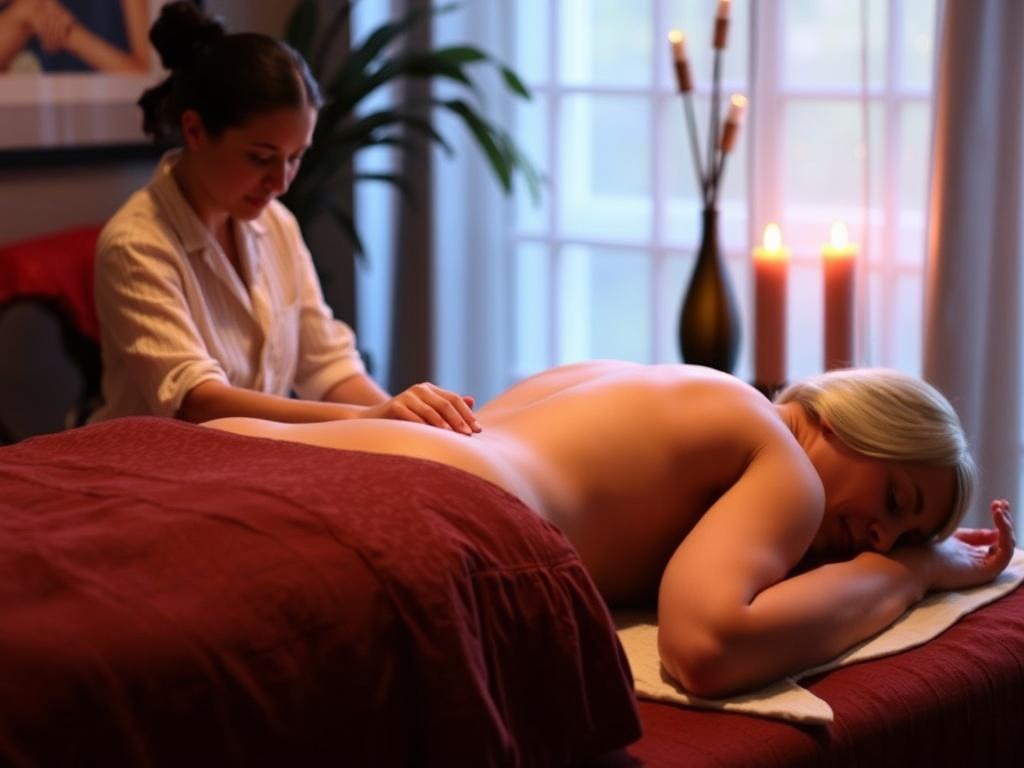
If you want to go beyond receiving sessions, New Jersey hosts workshops, breathwork circles, and tantra training programs in larger cities or nearby states. Community events are a good way to sample approaches and meet practitioners in low-pressure settings.
Look for reputable training that emphasizes ethics, trauma-awareness, and supervised practice. Many quality programs require a background in bodywork or therapy and include modules on consent, boundaries, and legal considerations—valuable indicators of a responsible educational provider.
Conclusion
Tantric massage NJ offers a range of possibilities—from relaxation and stress relief to deeper somatic inquiry—but it requires informed choices: verify credentials, prioritize consent and safety, and communicate clearly about goals and limits so your experience is grounded, respectful, and beneficial.