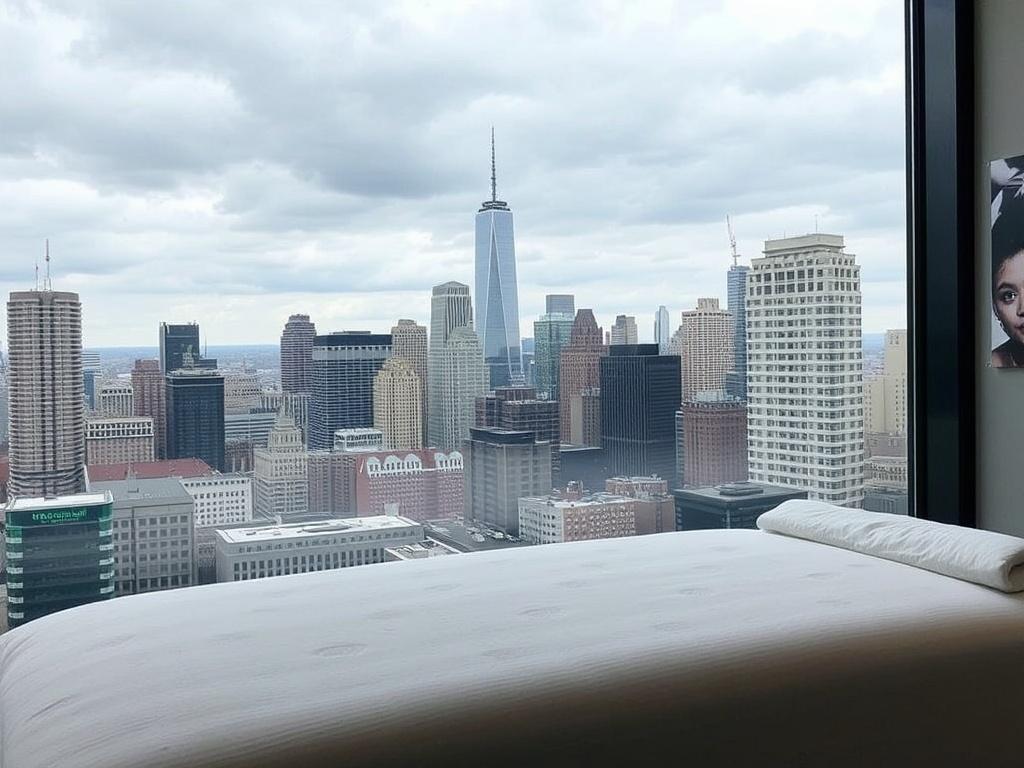

Manhattan moves fast. A massage in Manhattan isn’t just a luxury—it’s a practical pause that helps you reset, relieve tension, and get back to the day with clearer shoulders and a clearer head. This guide walks through everything you need to know: types of massage common in Manhattan, how to book and prepare, what to expect during a session, where to go, costs, and how to choose a responsible therapist.
Whether you want a quick lunch-hour escape near Midtown, a deep therapeutic session in the Upper East Side, or a mobile massage delivered to your apartment, this article lays out the steps and the decisions so you can find the right match for your body and schedule. Throughout, I’ll use practical tips you can act on immediately.
Why get a massage in Manhattan?
Manhattan’s density, commuting patterns, and long workdays create predictable pockets of stress: tight necks from screen work, sore lower backs from long subway rides, and shoulders hardened by tense posture. A targeted massage can reduce pain, improve range of motion, and lower stress hormones—benefits that matter in a city where minutes count.
Beyond symptom relief, massage in Manhattan often doubles as a planning tool. Regular sessions can reveal patterns—recurring trigger points, postural imbalances, or sleep issues—that inform changes in ergonomics, exercise, or daily routine. Think of a therapist as a short-term detective for a lifestyle that wears on your body.
Types of massage you’ll find in Manhattan
Manhattan studios offer a wide menu. Classic options like Swedish and deep tissue are ubiquitous. Specialized treatments—sports, prenatal, shiatsu, Thai, hot stone, and cupping—are available at many independent spas and wellness centers. Mobile therapists also provide most of these services at homes and offices.
Choosing the right type depends on your goals: relaxation, rehabilitation, or performance. Below is a concise comparison that makes it easy to match need to technique and to estimate time and cost before you book.
| Type | Best for | Typical duration | Approximate Manhattan price (60 min) |
|---|---|---|---|
| Swedish | Relaxation, general stress relief | 30–90 minutes | $90–$160 |
| Deep tissue | Chronic muscle pain, knots | 60–90 minutes | $110–$200 |
| Sports | Injury prevention, athletic recovery | 60–90 minutes | $110–$190 |
| Hot stone | Enhanced relaxation, muscle warming | 60–90 minutes | $120–$220 |
| Prenatal | Expectant parents, reduced discomfort | 60 minutes | $100–$180 |
| Mobile (on-site) | Convenience, workplace or home | 30–90 minutes | $120–$250 |
Quick glossary
Swedish massage uses long, gliding strokes. Deep tissue targets deeper layers and can be intense. Sports massage focuses on muscle groups used in activity. Shiatsu and Thai incorporate pressure points and stretching. Hot stone adds heat to relax tissue. If a term is unfamiliar, ask the studio for a brief description—most will happily explain.
Remember: pressure is adjustable. A skilled therapist will check in and modulate intensity rather than guessing what you can tolerate.
Step-by-step: How to book and prepare for a massage in Manhattan
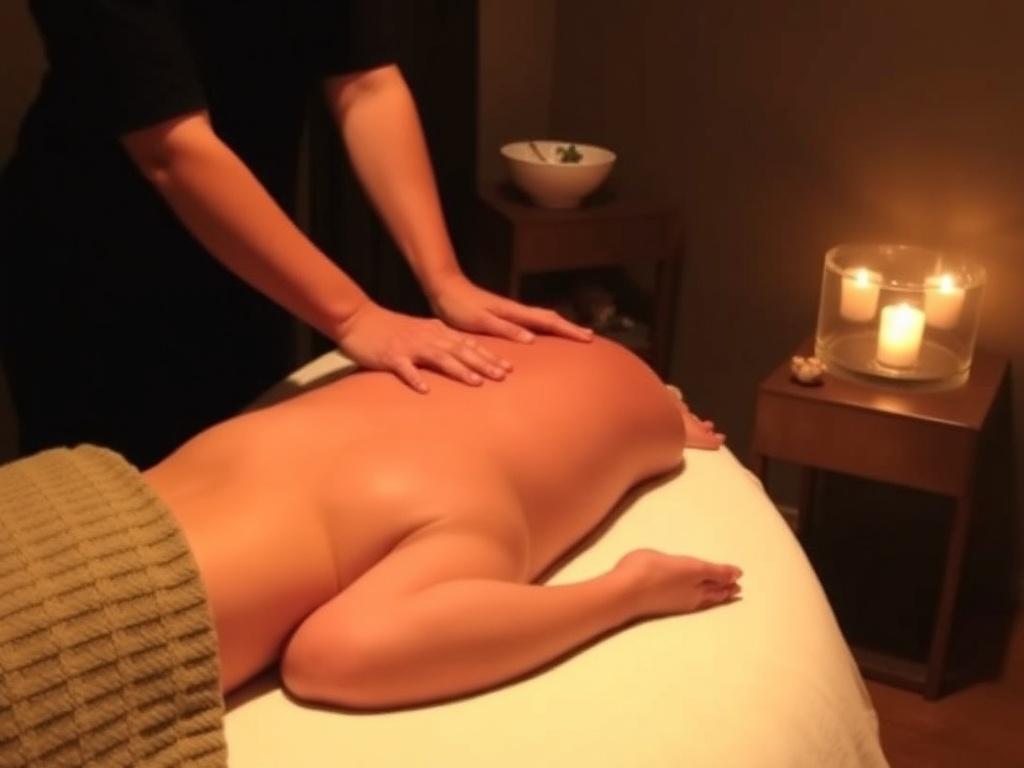
Booking the right session begins before you click reserve. Follow these steps to increase the chance of a positive experience and reduce last-minute friction.
- Decide what you want from the session: relaxation, pain relief, or specific therapy for an injury.
- Choose the modality that matches that goal (see the table above).
- Check availability and credentials: look for licensed therapists (LMT), read recent reviews, and confirm the studio’s hygiene policies.
- Book a time that gives you breathing room—arrive 10–15 minutes early to fill intake forms and settle in.
- Prepare the day of: avoid heavy meals, hydrate, and wear loose clothing. If you have medical issues, bring a list of medications or concerns.
When booking, note cancellation policies and whether gratuity is included. In Manhattan, last-minute rebookings are common; many places offer same-day appointments, but peak times fill fast. If you prefer mobile massage, specify the location constraints (e.g., elevator access, space for a table).
What to expect during your massage session
Arriving at a studio, you’ll typically complete a brief intake form covering medical history and preferences. The therapist will review that form and ask clarifying questions: areas of pain, desired pressure, and any contraindications. This conversation sets the tone for a safe, effective session.
On the table, you’ll be draped with sheets or towels. Only the area being worked on will be exposed. Therapists use professional boundaries: they will ask for permission before touching sensitive areas and will adapt if anything is uncomfortable. Communicate openly about pressure and areas to avoid.
- Turn off your phone or set it to silent.
- Speak up if pressure is too strong or if you feel pain.
- Hydrate after the session to help flush metabolic byproducts released during work.
Some discomfort may occur during deep release work, but it should not be sharp or worsening. After a session, expect temporary soreness or light-headedness for a short time—these are normal. Rest, hydrate, and follow any post-care suggestions from your therapist.
Choosing the right neighborhood and studio in Manhattan
Manhattan neighborhoods each have a different vibe and price point. Midtown is convenient for office workers and often hosts quick, efficient clinics suited for lunch breaks. The Upper East and Upper West Sides lean toward full-service spas and experienced clinicians. Chelsea, the East Village, and SoHo offer more niche studios and independent therapists.
Consider these practical factors when selecting a location: travel time, building access (elevators vs. stairs), whether you prefer a large spa environment or a quieter private studio, and studio cleanliness. If you value continuity, look for places that allow you to book with the same therapist consistently.
- Midtown: easy for commuters, many clinics and clinical-style therapists.
- Upper East/West: family-friendly, full-service spas and experienced therapists.
- Chelsea/SoHo: boutique studios, innovative treatments, and flexible hours.
- Lower Manhattan/FiDi: early-morning and after-work options for professionals.
Pricing, tipping, and packages
Manhattan pricing reflects location and experience. Independent therapists and smaller studios often charge slightly less than high-end hotel spas, but rates overlap. Many places sell packages (multiple sessions at a reduced per-visit rate), which can be more cost-effective if you plan regular care.
Tipping customs in Manhattan generally range from 15% to 25% depending on satisfaction. Some spas include service charges—check your receipt. For mobile therapists, factor in travel time when considering tip and overall budget.
Questions to ask before you book
Asking the right questions reduces surprises. Consider asking:
- Are therapists licensed and insured?
- What is the cancellation policy?
- Is gratuity included?
- Do you offer a consistent therapist for ongoing treatment?
- Can you accommodate medical conditions or pregnancy?
Mobile and same-day massage options in Manhattan
Mobile massage services bring the table and supplies to your apartment, office, or hotel room. This is particularly useful in Manhattan when travel time or schedules make studio visits inconvenient. Mobile therapists typically offer Swedish, deep tissue, prenatal, and chair massage and sometimes specialized options like cupping.
When booking mobile therapy, verify the therapist’s setup time, space requirements, and what they need (power outlets, a private room, etc.). Expect slightly higher prices to cover travel time and equipment transport. For corporate events, request therapist-to-guest ratios and ask for proof of professional liability insurance.
Safety, red flags, and how to find a reputable therapist
Safety starts with credentials and clear policies. Licensed massage therapists (LMT) and well-reviewed studios are a good baseline. Red flags include therapists who pressure you into unnecessary treatments, ask for inappropriate contact, or refuse to adjust pressure when you ask.
Read recent reviews rather than relying on star averages. Look for comments about communication, cleanliness, punctuality, and whether the therapist checked medical history. If you have a specific condition—post-surgical healing, recent fractures, severe osteoporosis—ask for a referral to a medical massage therapist or a physical therapist with manual therapy training.
- Confirm licensing and insurance before the appointment.
- Ask for a brief professional history or specialties.
- Choose a therapist who listens and answers questions without rushing.
- Avoid therapists who discourage medical consultation for serious conditions.
Aftercare: maximize the benefits of your session
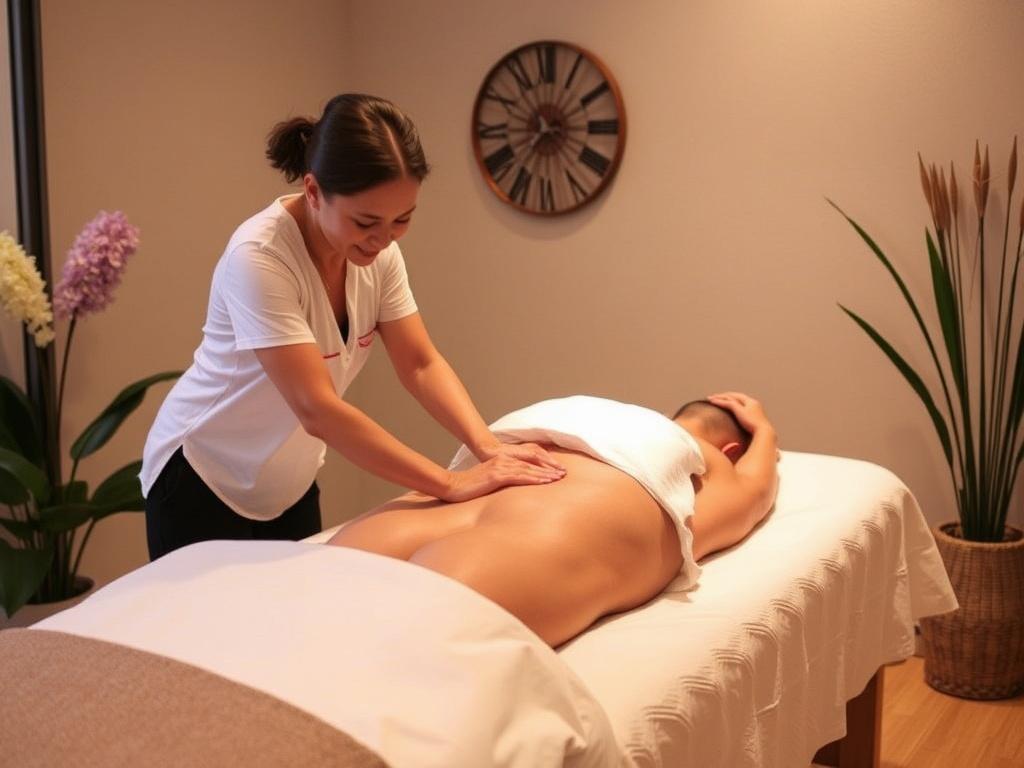
Aftercare is simple but effective. Hydrate well to support circulation and metabolic cleanup. Gentle stretching and a short walk help reduce stiffness. If soreness appears, apply heat (for muscle tightness) or cold (for acute inflammation), following your therapist’s recommendation.
Consider scheduling a short follow-up within a week if you had a deep or corrective session. Progress is easier to track with consistent appointments and by noting changes in sleep, posture, and pain levels between visits.
How to integrate massage into a Manhattan lifestyle
Short, frequent sessions often outperform infrequent, long sessions for chronic tension. If time is limited, try a 30-minute targeted session focusing on neck and shoulders or a chair massage at the office. If you’re recovering from injury, longer clinical sessions spaced appropriately will deliver better results.
Balance massage with other self-care: ergonomic adjustments, strength training, and mindful breathing. Think of massage as one tool in a toolbox; combined approaches produce lasting change.
Resources and tools
Use neighborhood apps, studio websites, and independent therapist profiles to compare services and book. Many Manhattan studios offer online booking and same-day slots—check evening and weekend availability if your weekday schedule is tight. Keep a note of therapists you liked so you can request continuity for follow-up work.
Conclusion
Massage Manhattan can be a practical, efficient part of urban self-care when you choose a treatment that matches your goals, prepare thoughtfully, and work with a licensed, communicative therapist—whether at a studio or in your home; consistent, targeted sessions and sensible aftercare make the benefits stick.