
Searching for body to body massage NJ brings up a range of listings, descriptions, and warnings — and that can feel overwhelming. This article walks you through what the term commonly refers to, how a professional session typically unfolds, and the legal and safety considerations specific to New Jersey. Read on to learn how to find a reputable provider, what to expect during a visit, and how to protect your health and rights.
We’ll cover the topic step by step, from terminology and technique to practical tips and regulations. The goal is practical, clear guidance so you can make an informed choice rather than a hurried decision based on a single advertisement.
Defining the Term: What “Body to Body Massage NJ” Means in Practice
The phrase body to body massage NJ is used by some spas and independent practitioners to describe treatments where the practitioner’s body makes extended contact with the client. In legitimate therapeutic contexts, this can mean the therapist uses palms, forearms, or body weight to apply pressure in a flowing manner. In other settings, the phrase can suggest a sensual or intimate experience — which has different legal and ethical implications in New Jersey.
Because the wording varies, it’s important to ask providers directly how they define their service. A licensed massage therapist who offers therapeutic modalities will describe techniques, training, and clinical intent. Other listings may use evocative language without clarity; when you see body to body massage NJ advertised, verify whether the practice is provided by a licensed professional operating in an appropriate facility.
Legal and Regulatory Context in New Jersey
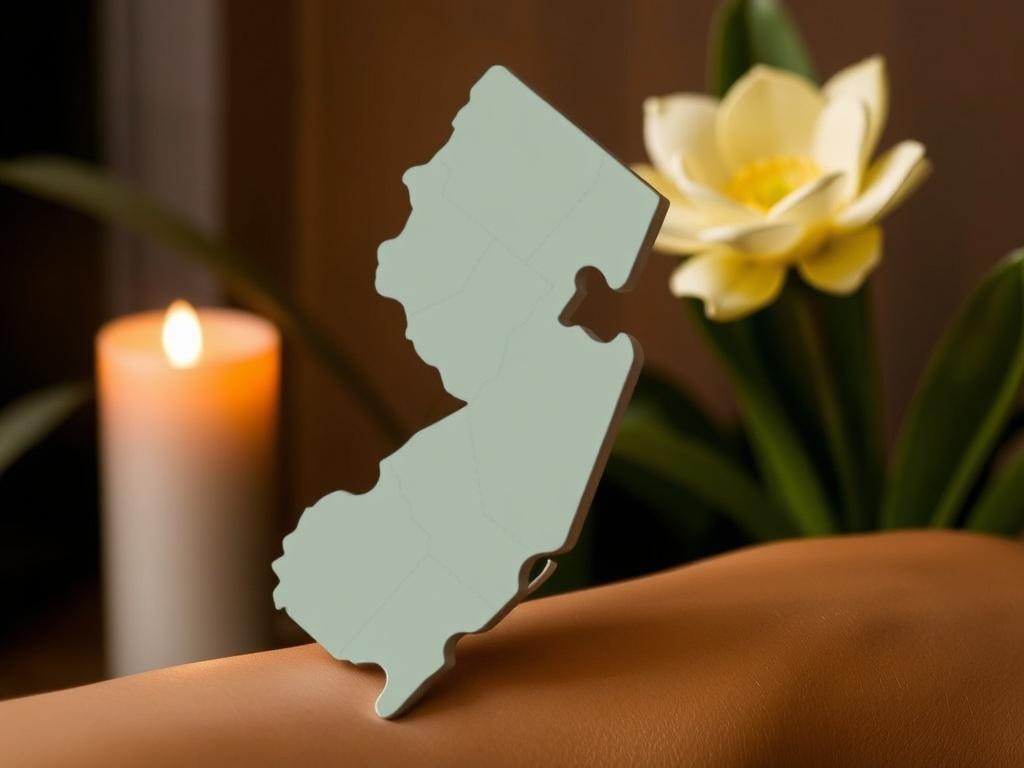
New Jersey regulates massage therapy through licensing and local ordinances. Practicing massage without the appropriate license or offering sexual services under the guise of massage can lead to criminal charges, civil penalties, and business closure. When you look for body to body massage NJ, prioritize providers who display state licensing and evidence of professional insurance.
Licensed practitioners must follow standards for sanitation, documentation, and scope of practice. If a service description seems intentionally vague about licensing, ask for the therapist’s name and license number and verify it with the New Jersey State Board or relevant county licensing office. Knowing the law protects both the client and the practitioner.
How a Professional Session Typically Unfolds — Step by Step
Understanding the sequence of a legitimate session reduces surprises. When searching for body to body massage NJ and you choose a reputable clinic, the appointment usually begins with an intake where the therapist reviews medical history, contraindications, and goals. This ensures safety and tailors the session to your needs.
Next comes a discussion of consent and boundaries. The therapist explains draping, which parts of the body will be worked on, and what type of contact is appropriate. In professional settings, full-body contact is conducted within boundaries that respect client comfort and local law. During the massage, pressure and technique are regularly checked in with the client — communication is central.
After the session, the therapist offers aftercare advice: hydration, stretches, or information on follow-up treatments. You may receive a short written note about areas worked on or recommended next steps. This documentation is a hallmark of clinical practice and a sign that the provider operates professionally.
Choosing a Reputable Provider in New Jersey
Finding a trustworthy place for body to body massage NJ means doing a bit of homework. Look for a licensed facility, read verified reviews, and confirm the therapist’s credentials. Reputable clinics will be transparent about training, scope of practice, and their code of conduct.
Use the following checklist when evaluating options:
- Verify state license and professional affiliations.
- Check for a physical business address and clear contact information.
- Read recent client reviews on independent platforms, not only site testimonials.
- Confirm hygiene protocols and draping standards.
- Ask about cancellation and complaint procedures.
Independent contractors are common; they can be excellent practitioners, but make sure they operate legally and transparently. If a listing for body to body massage NJ avoids discussing licensing or requests payment methods that feel off, consider that a red flag.
Health Benefits and Potential Risks
When performed within a therapeutic scope, massage that involves close contact can reduce muscle tension, improve circulation, and help with relaxation. Some clients report reduced stress levels and improved sleep after sessions. The degree of benefit depends on technique, therapist skill, and the client’s condition.
There are also risks to be aware of. Massage should be avoided or modified for people with certain medical conditions, including deep vein thrombosis, certain skin infections, or uncontrolled blood pressure. If you have health concerns, obtain clearance from a healthcare provider before seeking specialized treatments described as body to body massage NJ. Clear, honest disclosure to the therapist about medications and medical history is essential for safety.
Etiquette, Consent, and Communication During a Session
Respectful communication is the backbone of every successful massage. Before a session advertised as body to body massage NJ, the therapist should explain draping procedures and obtain explicit consent for all areas to be worked on. You should feel comfortable stating boundaries at any time.
Keep these practical rules in mind:
- Arrive a few minutes early to complete intake forms and discuss concerns.
- Be honest about past injuries, surgeries, or sensitivities.
- Listen to the therapist’s instructions about undressing and draping; you control the level of undress.
- Speak up if pressure is uncomfortable or if you want a different technique.
- Refrain from offering tips or requests that would cross sexual boundaries; such requests may put the therapist in an illegal or unethical position.
Professional therapists will prioritize client comfort and will refuse to perform services that solicit sexual contact. If a provider solicits sexual activity, report them to local authorities and the state board.
Pricing, Duration, and Typical Offerings — A Comparison Table
Costs and session formats vary across New Jersey. Below is a practical table that compares common offering types you might encounter while searching for body to body massage NJ. These are typical examples and not exhaustive; individual businesses set their own pricing.
| Service Type | Typical Duration | Typical Price Range (NJ) |
|---|---|---|
| Therapeutic Full-Body Massage (licensed) | 60–90 minutes | $80–$150 |
| Specialized Techniques (myofascial, deep tissue) | 60–120 minutes | $100–$180 |
| Spa Sensory Treatments (non-therapeutic) | 30–90 minutes | $60–$150 |
| Independent or Private Listings | Varies widely | Varies widely — verify licensing |
Price is not the sole indicator of quality. Lower costs may reflect limited training or lack of licensing; higher costs may include additional amenities. Ask what is included: aromatherapy, heated tables, or longer consultation time can affect price.
Preparing for Your First Appointment
Preparation helps you get the most from a session. Before booking body to body massage NJ, gather basic health information, prepare questions about the therapist’s training, and plan to arrive well-hydrated. Avoid heavy meals and alcohol before a treatment, and wear comfortable clothing to the appointment.
Bring a list of medications and a short summary of past injuries. If you’re concerned about skin sensitivities or allergies, let the provider know ahead of time so they can choose appropriate oils or lotions. A little preparation reduces awkward moments and keeps the focus on safe, effective care.
Common Misconceptions and What to Watch For
One common misconception about body to body massage NJ is that it is inherently sexual or unregulated. While some advertisements may exploit ambiguity, many licensed therapists offer techniques that use body positioning and weight without any sexual intent. Distinguishing licensed therapeutic practice from illicit services is crucial.
Watch for signs that a listing might be problematic:
- Vague descriptions that avoid mentioning licensing or training.
- Requests to remove draping in ways that feel unsafe or unnecessary.
- Payments requested in cash with no receipt or contracts that lack clear terms.
- Pressure to accept services beyond your stated comfort level.
When in doubt, prioritize providers who are transparent, insured, and willing to explain their methods and boundaries clearly.
Resources and Where to Verify Credentials in New Jersey
If you want to verify a practitioner, use official state resources. The New Jersey Board of Massage and Bodywork Therapy maintains license records and disciplinary histories. County health departments and professional associations can also be sources of referrals and verified listings.
Some useful actions include calling the state board with a license number, checking clinic websites for continuing education details, and asking friends or healthcare providers for recommendations. Reliable providers will not hesitate to help you confirm credentials before you book a session described as body to body massage NJ.
Conclusion
Searching for body to body massage NJ should start with clear questions about training, scope, and consent; prioritize licensed practitioners, verify credentials, and communicate boundaries before and during a session. Doing so preserves both your safety and the integrity of therapeutic massage while helping you find a comfortable, effective experience.