

A happy ending is a narrative outcome in which key conflicts resolve positively for the characters and the story closes on a note of satisfaction, hope, or restored order. It is a familiar closure device across genres, from romance and comedy to children’s tales and certain kinds of drama. The phrase signals an emotional payoff: the tension built through the plot finds a release that reassures the audience.
Although often associated with light entertainment, the happy ending performs many functions. It signals moral balance, rewards effort, and helps stories feel complete. At the same time, not every happy ending is the same. Some are unequivocal triumphs; others are tempered by realism, irony, or a hint of future struggle. Examining what a happy ending does — and why it sometimes fails — reveals a lot about storytelling and the people who consume stories.
Origins and Evolution of the Happy Ending
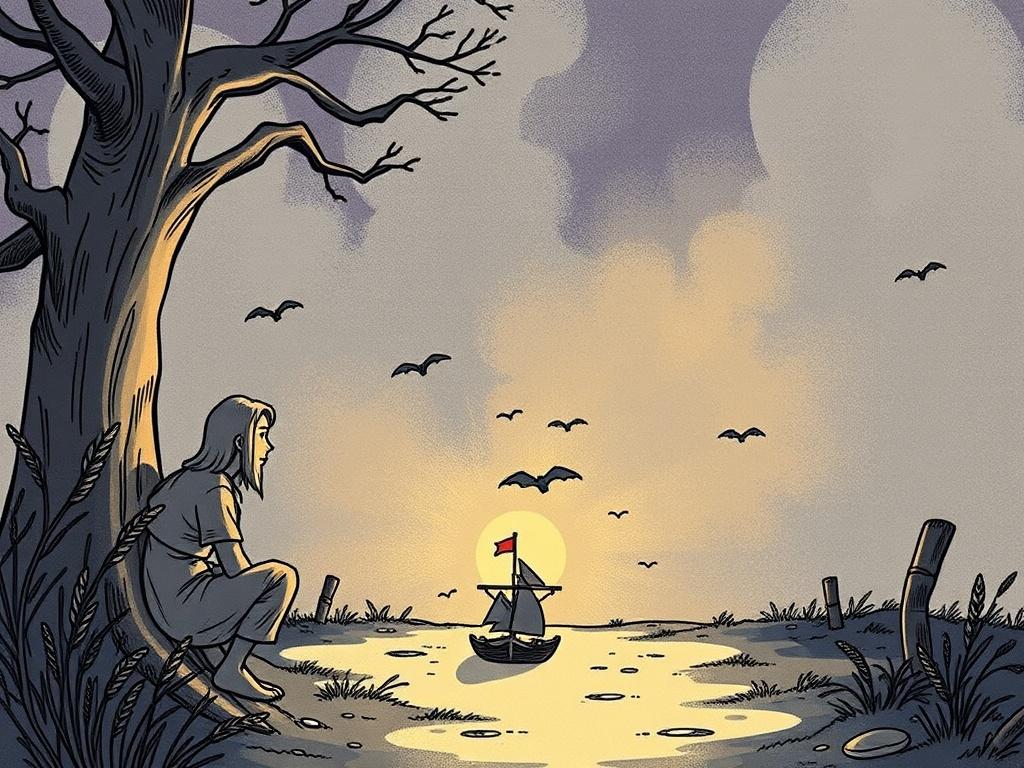
Stories with positive resolutions trace back to oral traditions where narratives served social and pedagogical purposes. Folktales and myths often ended with the protagonist rewarded, the community restored, or a lesson reinforced. Those endings helped transmit cultural values and offered reassurance in uncertain times.
As literature and media evolved, so did expectations around closure. The rise of the novel, theater conventions, and later film shaped genres that leaned on happy endings. Romantic comedies codified the “meet, separate, reconcile” arc; fairy tales codified the “ordeal, transformation, reward.” Even when realism or ambiguity crept into modern stories, audiences and creators often returned to the happy ending for its emotional clarity.
Happy Ending in Literature
In literature, a happy ending often reflects a moral universe in which virtue is rewarded and narrative justice is restored. Classic novels like those of Austen or Dickens combine character development with resolutions that satisfy social and emotional needs. Readers leave convinced that balance has been re-established.
Contemporary authors may subvert that expectation by complicating what “happiness” means. A happy ending can be ironic, conditional, or bittersweet; it can ask readers to accept complexity while still offering closure. That elasticity is why the happy ending remains valuable: it can be sincere, ironic, or both.
Happy Ending in Film and Television
In film, the happy ending is both a commercial device and an artistic choice. Blockbusters and mainstream comedies often conclude with clear victories that leave audiences energized. Television shows use serial formats to extend characters’ journeys while returning, between seasons or at finale, to satisfying beats that reward long-term viewers.
However, TV’s long-form storytelling allows for more nuanced endings. A show can deliver a happy ending for some characters while denying it to others, or it can conclude on a hopeful but ambiguous note. Directors and writers use visual and musical cues to shape how the audience perceives a happy ending — a lingering smile, a final shot of a character moving forward, or simply the calming cadence of the last scene.
Happy Ending in Theater and Musicals
Theater historically favors decisive endings because stage closure must be emotionally immediate. Plays often use catharsis: the audience experiences intense emotion followed by a cleansing resolution. Comedies usually end happily to leave viewers uplifted; tragedies end in sorrow to provoke reflection.
Musicals manufacture joy through song and spectacle, so their happy endings are often amplified by choreography and ensemble moments. That sensory culmination makes the happy ending feel communal — the audience participates in the closing uplift as characters celebrate. Even in darker works, a final chorus can suggest endurance or resilience, extending the happy ending’s logic beyond pure triumph.
Why Audiences Crave Happy Endings
Happy endings meet psychological needs. When people invest emotion and time in a story, they seek closure that justifies that investment. A satisfying resolution reduces cognitive tension and offers emotional rewards. For many, it’s a small, safe rehearsal of hope.
Beyond individual gratification, happy endings have social functions. They reaffirm shared values, codify ideals of justice or love, and provide models for handling conflict. When a story ends well, it implies that effort yields results — a reassuring metaphor for life’s uncertainties.
- Emotional payoff: relief and uplift after tension.
- Meaning-making: a coherent conclusion that ties themes together.
- Social reassurance: validation of cultural values or personal virtues.
- Entertainment economics: predictable satisfaction supports repeat engagement.
Not all audiences want the same degree of sweetness. Different cultures, genres, and eras shift the balance between closure and realism. Still, the demand for some form of positive resolution persists because it addresses deep-seated needs for certainty and value.
Types of Happy Endings

Happy endings vary in tone and structure. Some are triumphant and definitive; others are hopeful, suggesting future improvement without removing all obstacles. Understanding these types clarifies why certain endings succeed and others feel forced.
Below are common varieties of happy endings and their narrative effects.
- Triumphant victory — the protagonist overcomes all obstacles and achieves clear goals.
- Reconciliatory closure — relationships heal, misunderstandings are resolved.
- Bittersweet uplift — gains are real but tempered by loss or compromise.
- Restored order — society or equilibrium returns to a functional state.
- Open hope — ending suggests possibilities without complete resolution.
| Ending Type | Emotional Tone | Typical Use |
|---|---|---|
| Triumphant | Exultant, decisive | Action films, traditional romances |
| Bittersweet | Reflective, mixed | Literary fiction, coming-of-age stories |
| Reconciliatory | Warm, restorative | Family dramas, comedies |
| Open Hope | Optimistic, tentative | Modern dramas, indie films |
The choice among these types depends on genre, audience expectation, and thematic aims. A triumphant ending can feel cathartic but may oversimplify; a bittersweet ending can feel honest but less immediately satisfying.
How to Craft a Satisfying Happy Ending (Step by Step)
Crafting a happy ending requires shaping stakes, delivering earned resolutions, and aligning the emotional logic of the story with the audience’s expectations. Below is a practical step-by-step method writers and creators use to produce satisfying closure.
- Define the core conflict and what counts as “victory.”
- Raise stakes gradually so the payoff feels earned.
- Give characters meaningful choices that lead to the ending.
- Resolve major plot threads; leave only optional questions.
- Use symbolic or narrative echoes to reinforce themes.
- Balance certainty and openness appropriate to the genre.
- Edit for emotional pacing so the ending breathes and lands.
Start by asking: what will make readers feel that the journey mattered? The answer should inform every late-stage decision, from whether to reunite lovers to how much sacrifice the protagonist must endure. An unearned happy ending — one that ignores established rules or character growth — will ring false.
On the practical level, match tone to payoff. If the story cultivated realism and moral ambiguity, a sudden fairy-tale resolution will feel tacked on. Conversely, if the story promised optimism, deny the audience that optimism at the last minute and they’ll walk away unsatisfied.
Variations and Subversions
Writers sometimes subvert the happy ending to provoke thought or mirror complexity. Subversion can take many forms: granting victory but at a cost, distributing happiness unevenly among characters, or offering a symbolic rather than literal resolution. These techniques let creators preserve emotional satisfaction while avoiding clichés.
Subversion is attractive because it rewards attentive audiences. When a story twists expectations responsibly — by respecting character consistency and narrative logic — it can feel fresh and meaningful. When it twists expectations merely for shock, it alienates viewers.
- Costly victory: the protagonist wins but loses something essential.
- Distributed happiness: success for some characters, failure for others.
- Symbolic closure: a visual or thematic gesture stands in for full resolution.
- Meta-commentary: the ending reflects the genre’s conventions or critiques them.
Used with care, these variations expand what a happy ending can mean without abandoning the audience’s need for closure. They can deepen themes and invite reflection rather than leaving a simple emotional reward.
Criticisms and Limitations of Happy Endings
Happy endings face critique on at least two fronts. The first is aesthetic: some argue that tidy resolutions sacrifice truth for comfort, glossing over ambiguity and complexity. The second is ethical: if happy endings always reward a certain set of values, they can reinforce stereotypes or ignore systemic problems.
Those concerns are valid. When endings become predictable formulas, they dull narrative risk and limit imagination. Also, when happy endings function as moralist instruments, they can marginalize stories that don’t fit conventional arcs. Good storytelling instead asks whether the ending serves the story, not whether it conforms to a standard.
- Forced cheerfulness undermines realism.
- Predictable endings reduce narrative suspense.
- Cultural biases can be reinforced by one-size-fits-all resolutions.
- Overreliance on happy endings can limit genre innovation.
These limits do not invalidate the happy ending; they call for more thoughtful use. Skilled creators consider when to deliver straightforward happiness and when to complicate it, always preserving the story’s internal truth.
Happy Endings Beyond Storytelling

The concept of a happy ending leaks into everyday life. People frame milestones — graduations, recoveries, reconciliations — as narrative closures that mirror fictional arcs. Therapists sometimes use narrative frameworks to help clients imagine positive outcomes and rehearse future choices.
In cultural rituals, too, the happy ending functions as a collective ceremony. Weddings, community rebuildings after disaster, and public commemorations perform closure that resembles story endings. These events sculpt shared meaning and reassure communities that continuity survives rupture.
Understanding the happy ending as a cultural tool helps explain its persistence. It is not merely a storytelling device but a means by which individuals and societies manage uncertainty, produce hope, and narrate identity.
Case Studies: Notable Happy Endings
Certain works offer instructive examples of how different happy endings work. Jane Austen’s novels often resolve romantic and social tensions by aligning personal growth with social harmony. The happiness on offer is both personal and civic, rewarding intelligence and empathy.
In film, classics like It’s a Wonderful Life use redemption and communal recognition to craft a triumphant happy ending — one that binds individual worth to social connection. Modern examples can be subtler: a TV series finale might give a single character peaceful closure while acknowledging ongoing complexity for the world around them.
- Pride and Prejudice — reconciliatory, character-driven happiness.
- It’s a Wonderful Life — communal redemption and restored worth.
- Coming-of-age stories — bittersweet endings that balance growth and loss.
- Romantic comedies — reinstatement of love and personal completeness.
Each case shows how narrative choices — pacing, characterization, symbolic imagery — shape whether a happy ending feels earned. The best examples earn emotion through sustained cause-and-effect rather than convenient resolution.
Conclusion
Happy endings endure because they provide emotional closure, social reassurance, and narrative satisfaction; used thoughtfully, they can be honest, nuanced, and resonant, while misuse turns them into shallow formula. Understanding the types, purposes, and pitfalls of the happy ending helps creators and audiences recognize when a closing moment heals, enlightens, or merely placates — and that discernment makes every ending more meaningful.