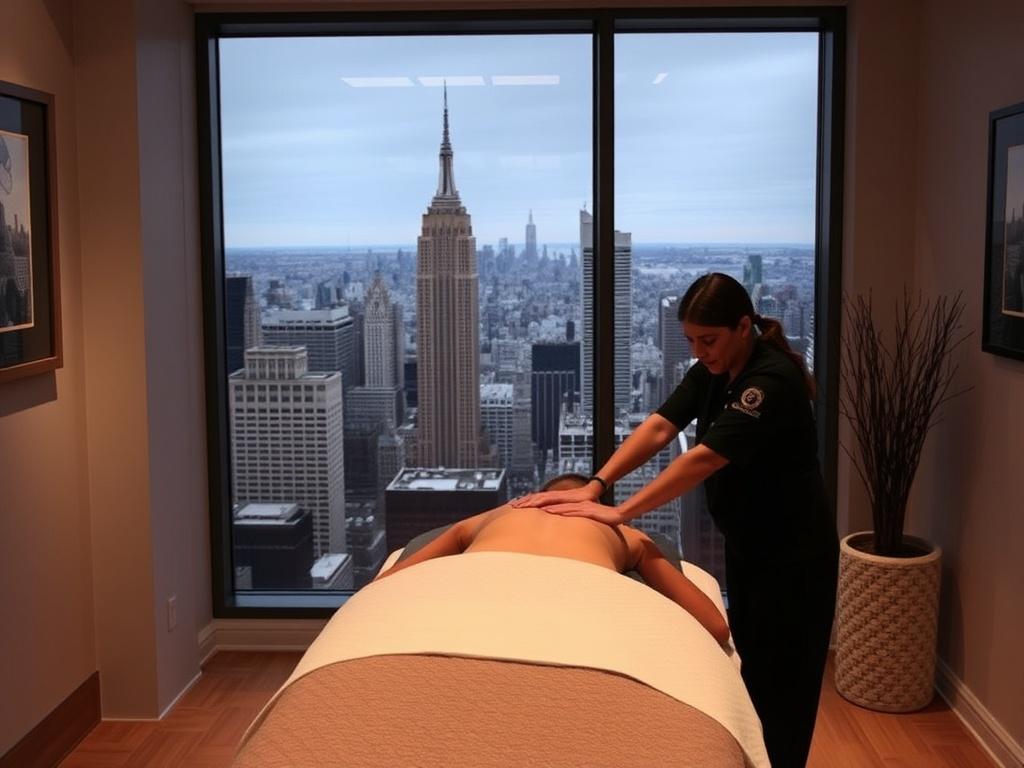

If you live in or are visiting the city that never sleeps, you’ve probably noticed how a short massage can feel like a pause button for the entire day. This guide walks through massage New York from practical steps — how to book, what to expect, where to go — to the finer points of etiquette, costs, and how to find a therapist who actually helps your problem areas.
Whether you need a quick chair massage between meetings, a deep-tissue session for chronic tension, or a restorative treatment after a long subway commute, you’ll find options across the boroughs. Read on for a step-by-step approach to getting the most from massage in New York without wasting time or money.
Why Get a Massage in New York?
New Yorkers carry their city on their shoulders: long commutes, desk work, hurried weekends. A targeted massage can reduce muscle tension, improve mobility, and offer a short but meaningful shift in mental state. For anyone balancing hectic schedules, a massage becomes less of a luxury and more of a practical tool for recovery and productivity.
Beyond physical benefits, booking a massage in New York is also about convenience and variety. The city hosts everything from small private studios to large medical spas and mobile therapists who come to your apartment. That diversity makes it easier to find a treatment that suits your schedule, budget, and therapeutic goals.
Types of Massage You’ll Find in NYC
The range of modalities in New York is broad. Some studios focus on relaxation and ambiance; others emphasize clinical outcomes. Knowing the names and typical aims of common modalities helps you pick the right session before you arrive.
Here are the main types you’ll encounter and brief notes on when each shines:
- Swedish massage — light to moderate pressure for relaxation and circulation.
- Deep tissue — firmer work aimed at chronic knots and layered muscle tension.
- Sports massage — targeted for athletes, focusing on flexibility and recovery.
- Trigger point therapy — precise pressure to release specific tight spots.
- Shiatsu and Thai — bodywork that incorporates stretching and rhythmic pressure.
- Prenatal massage — adjusted for pregnancy comfort and safety.
- Ashiatsu and cupping — specialty techniques found in select clinics.
Popular Modalities and When to Choose Them
Choosing between modalities in a city like New York is easier when you match the technique to your problem. If you want to unwind after a long travel day, a Swedish or relaxation-focused session is usually best. If you’ve been sitting at a desk and feel persistent shoulder pain, deep tissue or trigger point work will be more effective.
Follow this simple decision flow:
- Identify the primary goal: relaxation, pain relief, mobility, or recovery.
- Match the goal to a modality (relaxation → Swedish; pain → deep tissue/trigger point).
- Read therapist bios and reviews to confirm experience with your issue.
- Book a shorter introductory session if you’re trying a new therapist or modality.
How to Choose a Massage Therapist in New York
Selecting an experienced therapist matters more than the studio’s décor. Look for licensed practitioners who list credentials, areas of specialization, and continuing education. In New York State, massage therapists should be licensed through the state’s regulatory body — verify this if you have specific medical concerns.
Ask friends for recommendations, read several recent reviews, and check social profiles for before/after feedback. If the therapist works within a clinic, find out if the clinic has protocols for client intake, pain assessment, and follow-up — these are signs of a professional practice.
Comparing Options: Spa, Private Therapist, Mobile
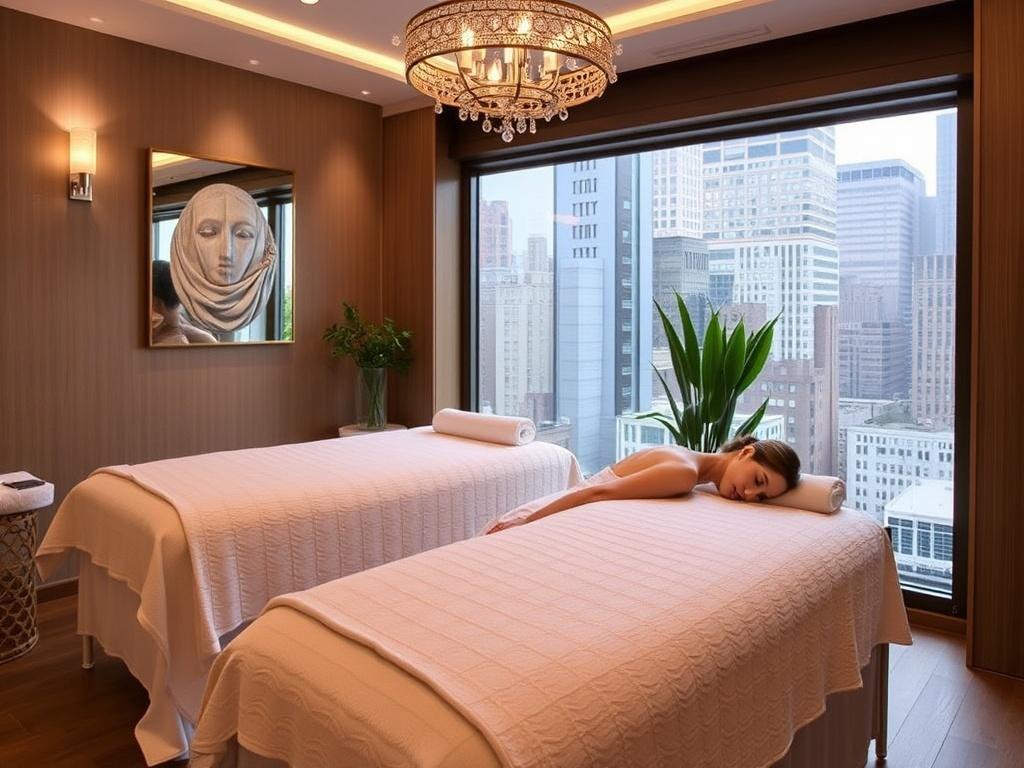
Each format has trade-offs. Spas often offer ambiance and add-ons; private therapists may provide continuity and deeper therapeutic work; mobile therapists give convenience. Use the table below to compare typical features so you can decide which format suits your needs.
| Option | Average Price (60 min) | Pros | Cons |
|---|---|---|---|
| Day Spa | $120–$220 | Luxury, multiple services, strong atmosphere | Variable therapist skill, pricier add-ons |
| Private Therapist | $80–$150 | Personalized treatment, continuity | Smaller staff, appointment availability |
| Mobile Massage | $100–$180 + travel fee | Convenient, saves travel time | Less controlled environment, setup time |
Step-by-Step: Booking and Preparing for Your Session
Booking a session in New York should be straightforward, but a few practical steps will improve your experience. This short checklist ensures you’re ready and aligned with the therapist’s approach before the appointment.
- Check availability and confirm type of massage — don’t assume “deep” is automatic.
- Read the intake and cancellation policy; NYC studios can be strict on no-shows.
- Communicate medical history, surgeries, or medications on the intake form.
- Arrive hydrated, and avoid heavy meals right before your appointment.
- Plan 10–15 minutes extra time to complete paperwork and discuss goals.
On the day, wear comfortable clothing and be ready to explain where you hold tension. Good therapists will start with a brief consultation; use it to set pressure preferences and any areas to avoid.
What to Expect During a New York Massage
Sessions typically begin with a short intake to clarify your goals. Therapists may ask about sleep, stress, past injuries, and any activities that aggravate pain. That conversation helps them tailor the pressure and techniques to your needs.
During the massage, therapists will check in about pressure and comfort — you should speak up if something hurts or feels uncomfortable. After the session you’ll often receive suggestions for follow-up care like stretches, hydration, or a schedule for ongoing sessions.
Etiquette, Tipping, and Pricing in NYC
Etiquette in New York is straightforward: show up on time, respect the studio’s policies, and be clear about your goals. Tipping is customary and typically ranges from 15% to 25% depending on service quality. Many higher-end spas add a service charge, in which case tipping guidelines will usually be noted.
Pricing varies by neighborhood and studio type. Midtown and SoHo tend to be on the pricier side, while emerging neighborhoods and independent therapists in Brooklyn might offer better value. If budget matters, consider mid-week sessions or introductory offers.
- Typical tipping: 15–25% of the service cost.
- Ask ahead whether gratuity is included with payment.
- Bring cash if you prefer handing tips directly to the therapist.
Health, Safety, and Licensing Rules in New York
New York State regulates massage therapy; practitioners must meet licensing requirements. When in doubt, ask to see the therapist’s license number or verify it through state resources. Professional clinics will also maintain hygiene and infection-control standards.
COVID-era precautions have relaxed, but some clients and therapists still prefer masks. If you have concerns about airborne infections or need specific accommodations, mention them during booking so the studio can prepare.
- Verify license and credentials before booking.
- Check for clinic sanitation practices and clean linens.
- Communicate health conditions and allergies in advance.
Mobile Massage vs Spa: Pros and Cons in New York
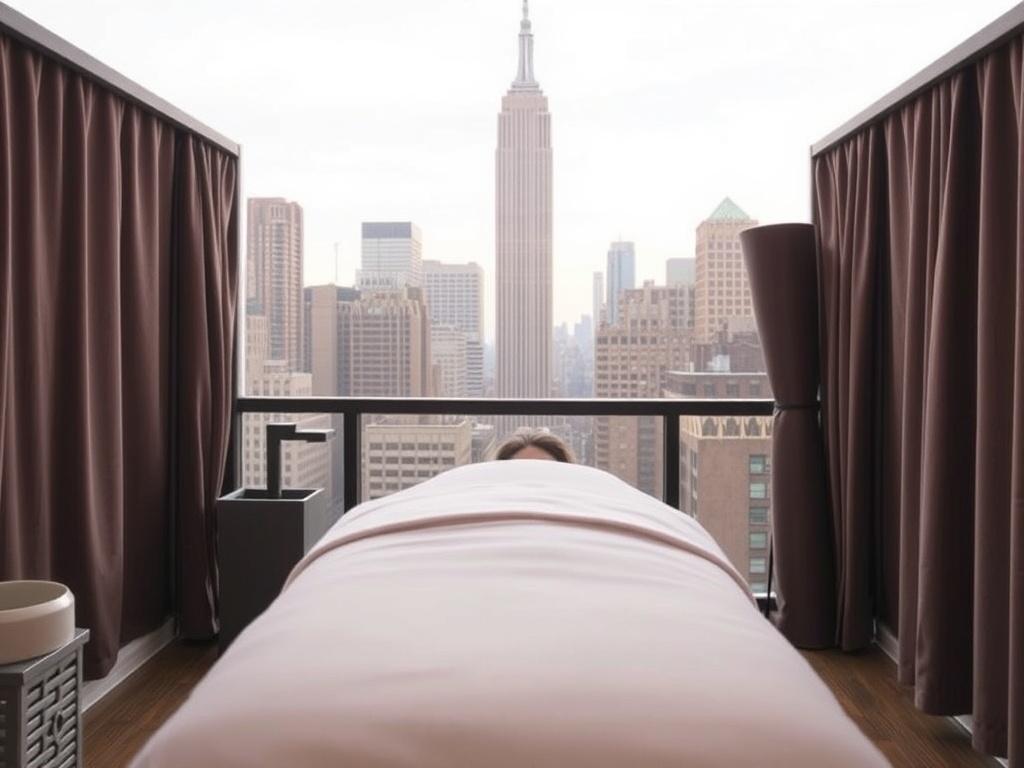
Mobile massage brings the treatment to your apartment, which is ideal for tight schedules or those who prefer privacy. Spas offer curated experiences with amenities like steam rooms or saunas, useful if you want a full reset rather than just hands-on bodywork.
Consider logistics: Manhattan traffic can make travel time expensive for mobile therapists, and some buildings limit service providers. Spas remove setup hassle but require you to travel to them. Match your choice to the outcome you want: convenience or controlled environment.
- Mobile: excellent for convenience; might lack controlled temperature or table stability.
- Spa: great for ambiance; sometimes pricier and less individualized.
Popular Neighborhoods and Where to Find Great Massage
Each borough brings a different flavor. Manhattan studios cater to fast-paced clients and executive needs. Brooklyn tends to have boutique therapists with individualized care. Queens and the Bronx host community clinics and family-friendly options. Staten Island has fewer options but reliable local practitioners.
Look for neighborhoods that match your priorities: SoHo and Midtown for luxury and convenience; Williamsburg and Park Slope for boutique and therapeutic work; Long Island City for value and accessibility to Manhattan. Use online maps and filter by reviews, modality, and availability to narrow the search.
- Manhattan: quick access, higher prices, many luxury spas.
- Brooklyn: boutique studios, private therapists, good value.
- Queens/Bronx: community clinics, family friendly.
- Staten Island: limited but consistent local options.
How Regular Massage Can Fit into a Busy New York Life
Short, consistent sessions often outperform occasional marathon appointments. A 30–45 minute targeted session every two weeks can maintain mobility and reduce flare-ups more effectively than an infrequent 90-minute session. Build massage into your routine the same way you schedule doctor appointments or workouts.
Create a realistic cadence: start with a single session to identify needs, then work with your therapist on a maintenance plan. Many NYC practitioners offer package deals or memberships that lower per-session cost and ensure continuity of care.
- Book a trial session and discuss a maintenance plan.
- Consider packages for regular scheduling and cost savings.
- Use short sessions for maintenance and longer sessions for repairs.
Cost-Saving Tips and Membership Options
If you plan to make massage a habit, memberships and multi-session packages can reduce costs significantly. Some clinics offer monthly plans with one or two sessions and discounts on add-ons. Check for corporate wellness partnerships — many New York employers negotiate rates with local spas and therapists.
Other ways to save: schedule midweek or off-peak appointments, sign up for newsletters with studio discounts, or try lesser-known neighborhoods where overheads are lower. Always compare what’s included — some cheaper options might omit consultation time or post-session recommendations.
- Look for packages or memberships for regular savings.
- Try off-peak times and neighborhood studios for better rates.
- Ask about corporate or student discounts when booking.
Conclusion
Finding the right massage in New York starts with a clear goal, a little research, and straightforward communication with your therapist; choose the modality that fits your needs, inspect credentials, and consider convenience versus atmosphere, and you’ll make massage an effective, sustainable part of city life.