

Looking for bodyrubs near me can feel unexpectedly complicated: a quick search returns spas, clinics, freelance therapists, and a jumble of reviews. This article walks you through the process deliberately, step by step, so you can find a safe, professional service that matches your needs and budget. Read with an eye for practical details and use the checklists and questions in here when you call or visit.
I’ll cover the types of bodyrubs commonly offered, how to search locally, what to ask before booking, red flags to watch for, and how to prepare for and recover from a session. Throughout, you’ll get clear actions you can take right away to narrow results and pick a place that feels right.
What “bodyrubs” can mean and common styles you’ll find
The term bodyrubs near me can refer to a range of hands-on services, from therapeutic massage to relaxation-focused treatments. It helps to know the differences so you can match an establishment’s offerings to your expectations. Therapists usually advertise the technique or modality in their menu: Swedish, deep tissue, sports, or lymphatic drainage are common in clinics; some spas combine rubs with aromatherapy or hot-stone treatments for relaxation.
Understanding the style also helps you anticipate pressure, duration, and whether the session will be focused on problem areas or whole-body relaxation. If you want pain relief after a workout, a sports massage technician will differ in training and approach from someone specializing in relaxation bodyrubs.
Common types and when to choose each
Below are descriptions of typical types of bodyrubs and the situations that make each a sensible choice. These summaries will help you decide which search terms to use when looking for bodyrubs near me.
- Swedish/Relaxation: Gentle, long strokes designed to relax muscles and reduce stress; good for first-time clients and general relaxation.
- Deep Tissue: Firmer pressure with targeted work on chronic tension and adhesions; choose this for persistent knots or muscular pain.
- Sports Massage: Tailored to athletes or active people; focuses on flexibility, muscle recovery, and injury prevention.
- Trigger Point Therapy: Focuses on specific painful points; useful for migraine, jaw pain, or focal tightness.
- Lymphatic Drainage: Light, rhythmic strokes to support fluid movement; recommended after surgery or for swelling issues (with provider guidance).
Each type has different contraindications and recommended appointment lengths; when you search for bodyrubs near me, include the modality name if you already know which style you need.
Step-by-step: How to find reputable bodyrubs near me
Approach the search like a short investigation. Start broad, then narrow down candidates with specific criteria: licensing, reviews, clear pricing, and transparent business information. Below are actionable steps you can follow in order.
- Run local searches: Use search engines, map apps, and local directories with the phrase bodyrubs near me plus modifiers like “licensed,” “clinic,” or the modality (e.g., “deep tissue”).
- Check credentials: Look for state licensing, professional association membership, or accreditation on websites or profiles.
- Read recent reviews: Focus on safety, cleanliness, punctuality, and professional conduct rather than just “good massage.”
- Compare menus and prices: Transparent pricing and clear service descriptions are signs of a reputable business.
- Call and ask: Use the questions in the next section; a helpful, straightforward receptionist is a positive sign.
- Visit before booking if possible: A quick walk-in helps you assess cleanliness, atmosphere, and whether staff behave professionally.
Take notes as you compare options. Save contacts, a screenshot of the menu, and any licensing information so you can reference it when you book.
Questions to ask before you book
When you call a spa or clinic you found with “bodyrubs near me,” ask concrete questions so nothing is left to guesswork. A legitimate practice will answer directly and cheerfully.
- Are your therapists licensed and what certifications do they hold?
- What exactly is included in the service (time on table vs. total appointment time)?
- How is payment handled and what is the cancellation policy?
- What hygiene or COVID-19 measures are in place?
- Are there intake forms or health questions before the session?
If the staff seems evasive about any of these details—especially licensing or exactly what the appointment entails—consider looking elsewhere.
Safety, legal and health considerations
Regulations for bodyrubs vary widely by jurisdiction. In many places, professional massage therapists must carry a license, complete continuing education, and abide by a code of conduct. In others, rules are looser. It’s your responsibility to check local requirements and choose providers who meet or exceed them.
From a health perspective, there are medical conditions where bodyrubs are contra-indicated or require physician clearance: uncontrolled hypertension, infectious skin conditions, deep vein thrombosis, recent surgery, or certain heart conditions. If you have health concerns, call your healthcare provider before booking a session. Always disclose medications and recent injuries when filling intake forms.
Red flags and safety checklist
Use this checklist to quickly spot problematic businesses or listings when searching for bodyrubs near me. These red flags often appear in profiles, websites, or during phone conversations.
- Vague service descriptions or menus that avoid specifying technique or duration.
- Unclear pricing or requests for cash-only payment with no receipt.
- Reviews that mention inappropriate behavior, pressure to tip excessively, or unclear boundaries.
- No visible licensing information or refusal to share therapist qualifications.
- Overly sexualized language in advertising or photos that focus on suggestive content rather than professional setup.
If you encounter any of these, remove that option from your shortlist and report illegal activity to local authorities if necessary.
Preparing for your appointment: practical steps
Preparation makes the session smoother and reduces awkwardness. Below are items to bring and steps to take before you arrive at a place advertising bodyrubs near me.
- Bring ID and any insurance or referral information if applicable.
- Wear comfortable clothing that’s easy to change out of; most sessions are performed with partial draping for privacy.
- Skip heavy meals and alcohol right before your appointment; arrive hydrated.
- Note any allergies to oils or lotions and communicate them in advance.
- Prepare a short list of problem areas and realistic goals (relaxation, pain relief, increased mobility).
Arrive 10–15 minutes early to complete intake forms and discuss your objectives with the therapist. That conversation is an important step—use it to calibrate pressure and technique.
What to expect during and after a session
During a professional bodyrub, you’ll be asked to disrobe to your comfort level and lie on a table covered with clean linens. The therapist will maintain draping, exposing only the area being worked on. Communication about pressure and comfort is normal and encouraged.
After the session, you may feel relaxed, lightly fatigued, or more mobile. Drink water to help flush metabolic byproducts from worked tissues, and avoid vigorous exercise for several hours. If you experience unusual pain, numbness, swelling, or other concerning symptoms, contact the therapist and seek medical advice.
Costs, comparison table, and value considerations
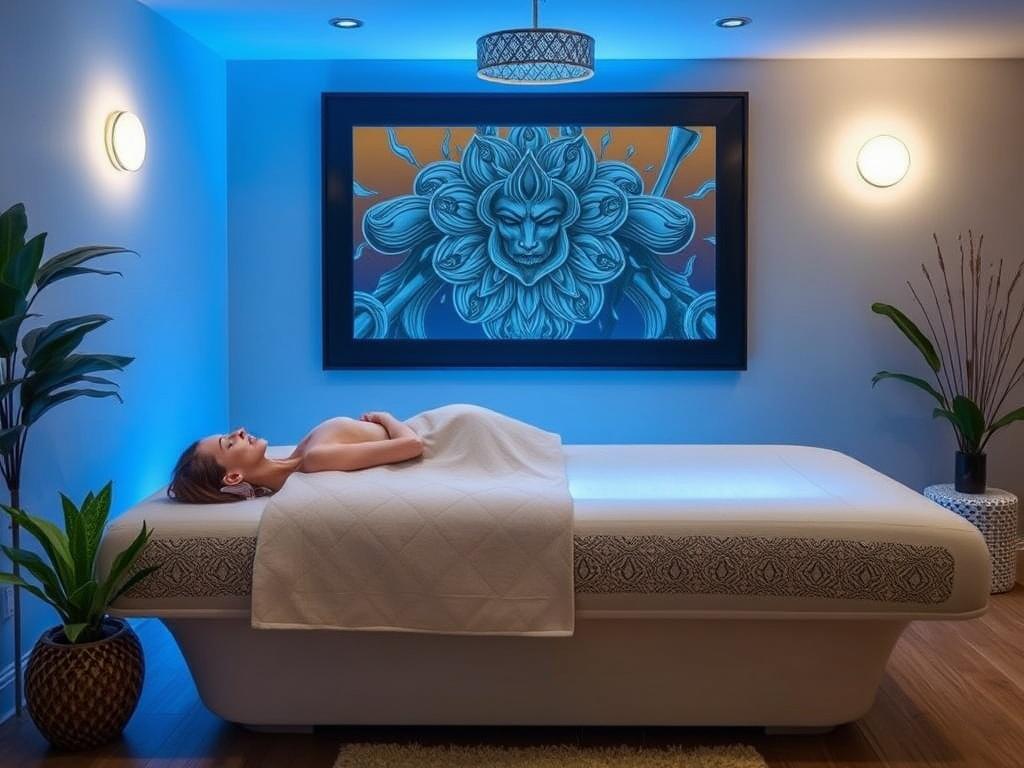
Prices for bodyrubs near me vary by location, length, and therapist credentials. Below is a simple table to help you compare typical options and what they usually include.
| Service Type | Typical Duration | Typical Price Range (USD) | Typical Focus |
|---|---|---|---|
| Swedish/Relaxation | 30–90 minutes | $50–$120 | General relaxation, circulation |
| Deep Tissue | 30–90 minutes | $70–$150 | Chronic tension, deeper muscle layers |
| Sports Massage | 45–90 minutes | $60–$140 | Performance, recovery |
| Lymphatic Drainage | 30–60 minutes | $60–$130 | Fluid movement, post-op care |
Price alone doesn’t indicate quality. Consider therapist experience, licensing, clean facilities, and how well a place answers your questions. A slightly higher fee at a well-regarded clinic often represents better training and safer practices.
Using reviews and referrals wisely
Online reviews can be helpful but read them analytically. Look for recent, detailed reviews describing professionalism, punctuality, and the therapist’s skill. Multiple short, vague five-star comments are less reliable than a mix of specific feedback. Word-of-mouth recommendations from friends or healthcare providers are often the most trustworthy route when searching for bodyrubs near me.
If a clinic or therapist has a mix of positive reviews and a single negative one, examine the response: did management address the concern constructively? A thoughtful reply demonstrates accountability.
Quick checklists to take action
Here are concise lists you can use on your phone while you evaluate options. They keep the search efficient and less emotional.
Before you call
- Decide the type of bodyrub you want.
- Have three local options saved from searches.
- Prepare 3–5 questions to ask (licensing, price, policies).
At the call or visit
- Confirm therapist licensing and main technique.
- Ask about hygiene and cancellation policies.
- Note how staff treat you and how transparent they are.
Keep these lists handy to streamline decisions and avoid getting overwhelmed by too many choices.
Frequently asked practical questions
People commonly ask whether tipping is expected, what to wear, and how often to schedule sessions. Local customs vary; in many places tipping 15–20% is standard for a good massage. Wear loose clothing to arrive and leave comfortably; most clients undress to their level of comfort and are draped. Frequency depends on goals: weekly for intensive rehabilitation, monthly for general maintenance, or as needed for relaxation.
For recurring issues, a therapist may suggest a short plan of sessions to gradually improve mobility or reduce pain. Always weigh that recommendation against your budget and seek a second opinion if a plan seems unusually aggressive or expensive.
Where to look right now
Good search starting points for bodyrubs near me include map apps (filter by “massage therapist” or “spa”), professional association directories (e.g., state massage therapy boards), healthcare provider referrals, and local wellness groups on social platforms. Combining sources helps cross-check credibility and find detailed descriptions rather than generic listings.
When you find a few promising options, use the checklists and questions above. Book the place that best balances qualifications, transparency, and comfort level. A short trial session at a reputable clinic is often the best way to judge fit.
Conclusion
Searching for bodyrubs near me becomes manageable when you approach it systematically: clarify the type you want, vet credentials and reviews, ask direct questions, watch for red flags, and prepare practically for your appointment. Use the checklists and table here to compare options quickly, trust your instincts about professionalism, and prioritize safety and licensure when choosing where to book.