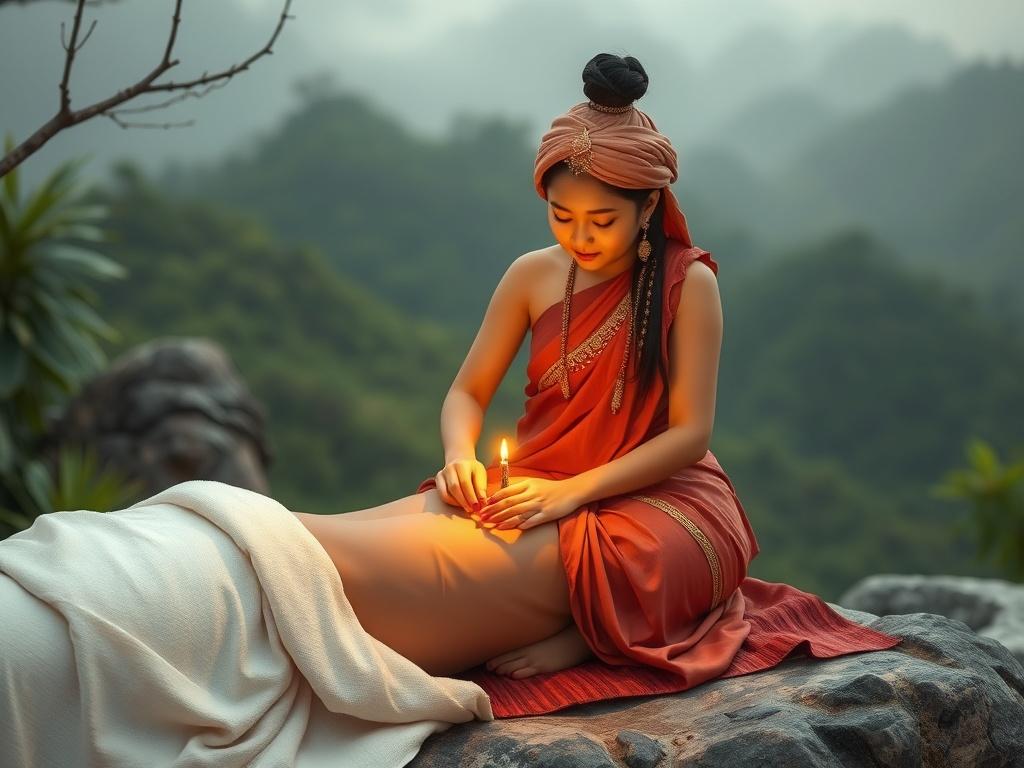

1nurumassage refers to a slippery, body-to-body massage style that uses a special gel to allow extensive skin contact and gliding movements. Originating in Japan as “nuru” (meaning “slippery”), the technique has traveled and adapted into many settings — therapeutic spas, private sessions, and educational workshops. This article explains what 1nurumassage is, how to prepare for it, step-by-step technique, safety considerations, legal and hygienic concerns, and practical tips so you can make informed decisions.
Whether you are a curious client, a practitioner seeking to expand skills, or someone researching safe intimate massage practices, this guide will walk through the subject methodically. I focus on clear, non-graphic description and useful, actionable advice so you can understand the practice’s character, potential benefits, and limitations.
Origins, context, and how 1nurumassage evolved
0
The slippery-body massage tradition traces back to Japan, where nuru techniques used a particular seaweed-based gel to create a nearly frictionless glide between practitioner and receiver. Over time, the approach spread internationally and was adapted to different cultures and regulatory environments. In many places the practice moved from private, erotic contexts into commercial spa settings with boundaries and therapeutic framing.
Understanding the origins helps explain two features that recur in modern 1nurumassage: emphasis on full-body contact and use of water-soluble, highly viscous gels designed for prolonged glide. Legal and cultural attitudes have shaped the way practitioners present and offer the service, so the experience can vary widely between regulated clinical settings and informal private sessions.
Principles and potential benefits
At its core, 1nurumassage is about using a low-friction medium to facilitate extended contact, stretching, and muscle smoothing. The gel reduces shear forces on the skin so long, flowing strokes and body-to-body movements feel softer and more continuous than with standard oil-based massage.
Reported benefits include increased relaxation, a heightened sense of touch, and the ability for practitioners to address surface tension without high pressure. Some clients also describe psychological benefits: a feeling of being soothed through sustained, rhythmic touch. It is important to note that claims about therapeutic outcomes vary and strong scientific evidence specific to 1nurumassage is limited.
Preparation and equipment
Successful 1nurumassage depends on a few specific items and a well-prepared environment. A clean, waterproof surface is essential: many professionals use a vinyl mat or specially lined table to contain gel and water. Towels, pillows, and bolsters help with client comfort and positioning.
The gel is the defining material. Commercial nuru gels are typically water-based, odorless, and made from seaweed-derived polysaccharides; they are formulated to be safe on skin and easy to wash off. Some practitioners use specially formulated massage gels or lubricants; others avoid homemade substitutes to reduce risk of irritation or infection.
Checklist: supplies and environment
- Water-soluble nuru gel or approved alternative
- Non-porous mat, waterproof sheets, and absorbent towels
- Pillows/bolsters for support and positioning
- Warm water and gentle cleanser for showering after the session
- Consent forms and clear communication guidelines
Temperature control matters: the room should be comfortably warm to avoid chill when skin is exposed and wet. Practitioners and clients should both have access to a shower or wash basin nearby for post-session cleaning.
Step-by-step technique for practitioners
The following step-by-step breakdown emphasizes safety, consent, and clear pacing. This is a practical framework rather than a prescriptive script — experienced practitioners adapt movements to anatomy, comfort, and client preferences.
Before starting any hands-on work, obtain explicit informed consent for the specific nature of 1nurumassage. Discuss boundaries, areas that will not be touched, medical history, and any skin sensitivities.
Step-by-step numbered process
- Pre-session briefing: confirm consent, positioning, and signals for stopping or adjusting pressure.
- Hygiene and warming: both parties wash and dry hands; the room is warm and towels are set within reach.
- Apply the gel: practitioner applies a moderate amount to both their own and the client’s skin, starting with the back or shoulders to demonstrate glide and gauge sensitivity.
- Begin with long, gentle strokes: use the chest, forearms, or torso to create continuous gliding movements; keep pressure moderate and adaptive.
- Use full-body transitions: move to the hips, legs, and arms with smooth shifts in body angle; maintain a calm rhythm and watch client feedback closely.
- Close and clean: finish with calming strokes, allow the client to rest, then offer a shower and remove gel with warm water and mild soap.
Throughout, maintain clear verbal check-ins and watch for nonverbal cues. If a client expresses discomfort or asks to stop, pause immediately and address their needs.
Safety, consent, and boundaries
Consent is the foundation of any intimate touch practice. For 1nurumassage this means explicit, informed agreement about the scope of touch, whether nudity is involved, and how the session is framed (therapeutic, sensual, or educational). Written consent forms are common in professional settings and help set expectations.
Boundaries include not touching specified areas, respecting pauses, and being clear about whether sexual activity is permitted or prohibited. Many professional practitioners include clear policies—such as no sexual services—both to protect clients and to comply with local regulations.
Safety checklist
- Confirm no open wounds, rashes, or contagious skin conditions are present.
- Avoid aggressive pressure on joints and bony prominences.
- Have a plan for immediate cessation if the client experiences pain, dizziness, or distress.
- Use water-based gels to minimize allergic reactions and avoid petroleum-based products that trap bacteria.
Practitioners should carry basic first-aid knowledge and be aware of contraindications: recent surgery, acute injuries, certain skin conditions, and some cardiovascular issues may make 1nurumassage inappropriate.
Hygiene, cleaning, and infection control
Hygiene matters more with a slippery, wet medium. Clean surfaces thoroughly between clients using appropriate disinfectants that are safe for the mat material. Towels and linens should be laundered at high temperatures where possible, and single-use barriers considered for porous surfaces.
Advise clients to shower before and after the session to reduce transfer of microorganisms. Practitioners should wash hands frequently, keep nails short, and avoid working if they have communicable illnesses or open wounds.
Legal, ethical, and professional considerations
Legal status varies by jurisdiction. In many areas, businesses offering bodywork must comply with licensing rules and health codes; in others, anything resembling sexual services may conflict with local laws. Practitioners should check local regulations, maintain clear business practices, and document consent and client communications.
Professionalism includes clear pricing, transparent descriptions of services, and appropriate advertising. Ethical practice requires protecting client privacy, ensuring informed consent, and maintaining boundaries that separate therapeutic touch from sexual activity when the setting is explicitly professional.
Variations, alternatives, and related modalities
Variants of 1nurumassage include shorter “sliding” sessions, couples’ workshops, and hybrid treatments combining traditional massage techniques. Some practitioners incorporate aromatherapy, heat packs, or light stretching to complement the glide-based work.
If 1nurumassage isn’t suitable, alternatives include Thai bodywork for assisted stretching, Swedish massage for long strokes with oil, and hydrotherapy approaches that use water jets and buoyancy to reduce friction. Each modality has different contraindications and benefits; choose based on client needs and clinical judgment.
Common misconceptions and frequently asked questions
One common misconception is that 1nurumassage is inherently sexual. While it can be experienced as sensual, many sessions are offered in strictly therapeutic or educational contexts with clear boundaries. Another myth is that any lubricant will work; in practice, water-soluble, non-irritating gels are safest.
Clients often wonder about cleanliness: with proper protocols—showering, surface disinfection, and disposable coverings—risks are manageable. Finally, some assume intensive pressure is required; 1nurumassage often relies on glide and distribution of body weight rather than deep compression.
Table: comparing gel options and practical considerations
| Type | Typical ingredients | Skin safety | Best use |
|---|---|---|---|
| Commercial Nuru gel | Seaweed polysaccharides, water, preservatives | Generally hypoallergenic; designed for massage | Full sessions, repeated glide, easy wash-off |
| Water-based massage gel | Glycerin, water, carbomer, fragrance-free options | Good for sensitive skin if fragrance-free | Low-friction work without long-term residue |
| Homemade or oil-based substitutes | Oils, lotions, natural extracts | Higher allergy and bacterial growth risk; hard to clean | Not recommended for standard 1nurumassage |
Practical etiquette and tips for clients and practitioners
Good etiquette starts with clear communication. Clients should disclose relevant health information beforehand and tell the practitioner about preferences or areas to avoid. Practitioners should explain their process, pricing, and confidentiality policies before any touch occurs.
Small practical tips: arrive showered and avoid heavy lotions beforehand; bring a change of clothes; allow extra time for a post-session shower. Practitioners should keep a warm towel handy, monitor client comfort, and schedule buffer time between sessions for cleaning and ventilation.
Quick tips list
- Confirm consent and any medical issues before booking.
- Choose water-based, professional-grade gel whenever possible.
- Keep conversations about the session professional and focused on comfort and safety.
- Plan for post-session cleaning—both for the client and the room.
Common questions to ask a practitioner before booking
- Are you licensed or certified in my area for bodywork?
- What type of gel do you use, and can I see the ingredient list?
- Do you have policies regarding nudity and sexual activity?
- How do you clean surfaces and linens between clients?
Asking these questions helps set expectations and ensures a safer, more comfortable experience for everyone involved.
Conclusion
1nurumassage combines glide-based technique and close skin contact to create a flowing, low-friction bodywork experience; when practiced with clear consent, proper hygiene, and attention to legal and ethical boundaries, it can be a safe and relaxing option for clients seeking a different kind of touch-based therapy.